


Toyota is preparing to introduce the North American-built Tundra pickup and Highlander sport utility vehicle to Japanese customers, though the launch comes with an unusual detail. Buyers in Japan are being presented with quality disclosures addressing paint finish characteristics found on vehicles produced for overseas markets.
Both models are manufactured in North America and enter Japan through a streamlined certification process. Alongside the launch documentation, Toyota published guidance intended to set expectations regarding exterior finish quality. The material outlines five potential paint-related conditions.
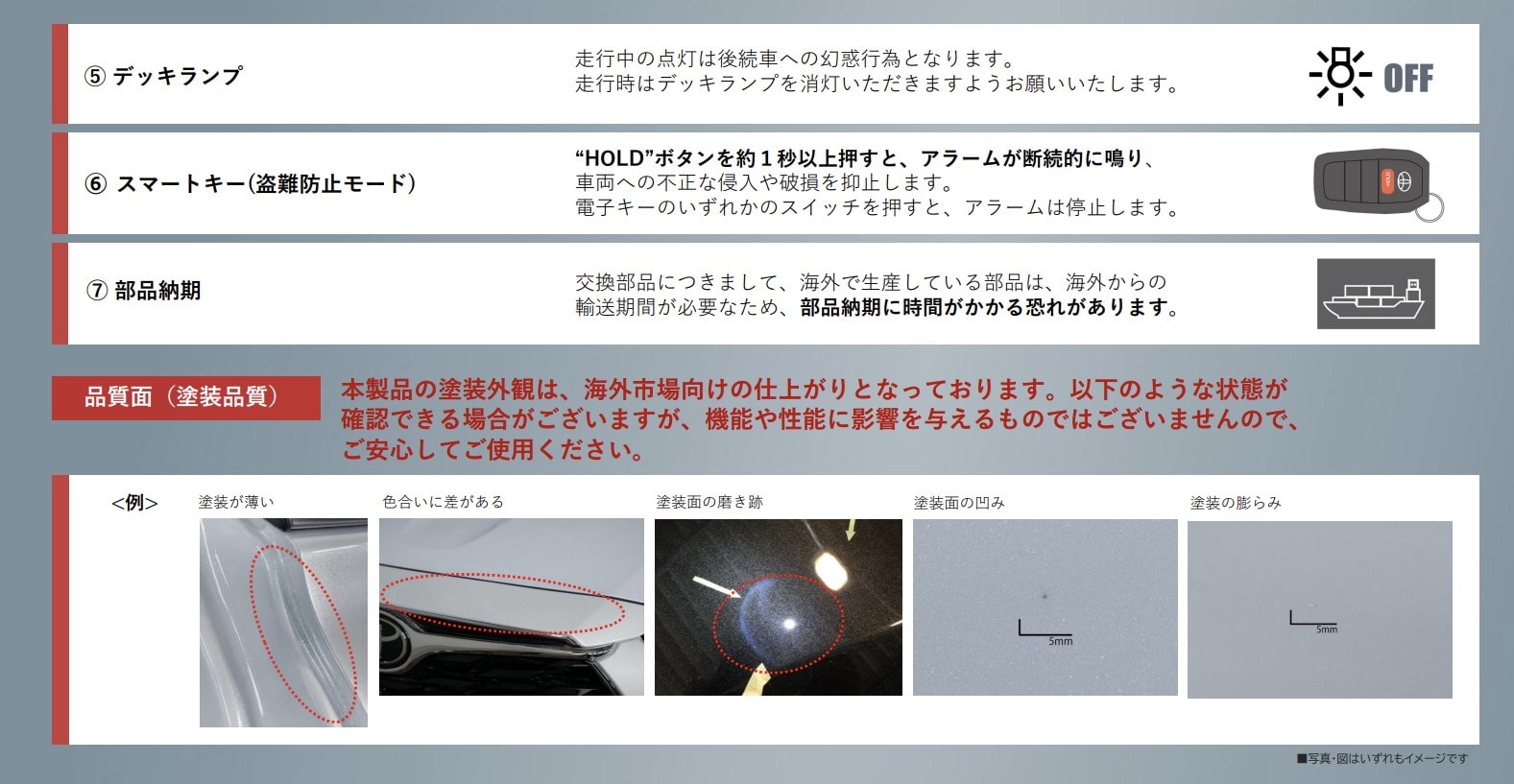
Among the issues listed are thin paint, variations in color tone, polishing marks, dents affecting painted panels, and paint swelling or bubbles. Toyota notes that accompanying images serve only as illustrations. The company also states that “the paint is finished to the standard intended for overseas markets.”
The disclosure reflects a broader difference in how quality control has traditionally been approached on opposite sides of the Pacific. According to the information provided, Detroit’s Big Three have historically relied on a mass-production model focused on volume and shorter-term financial objectives. Under such a system, factories often depend on inspections performed at the end of the assembly process, with defects corrected or reworked after the vehicle has been fully assembled.
Japan followed a different route.

The country’s automotive industry adopted the statistical quality control methods developed by William Edwards Deming, a figure widely associated with the foundations of lean manufacturing. While those principles received limited attention from American automakers after World War II, Japanese manufacturers incorporated them into systems that later became known as the Toyota Production System and Total Quality Management.
The practical difference appears on the factory floor. Japanese assembly workers have the authority to stop an entire production line when a defect is identified. The issue is addressed immediately, reducing the risk of additional errors spreading through later stages of assembly.
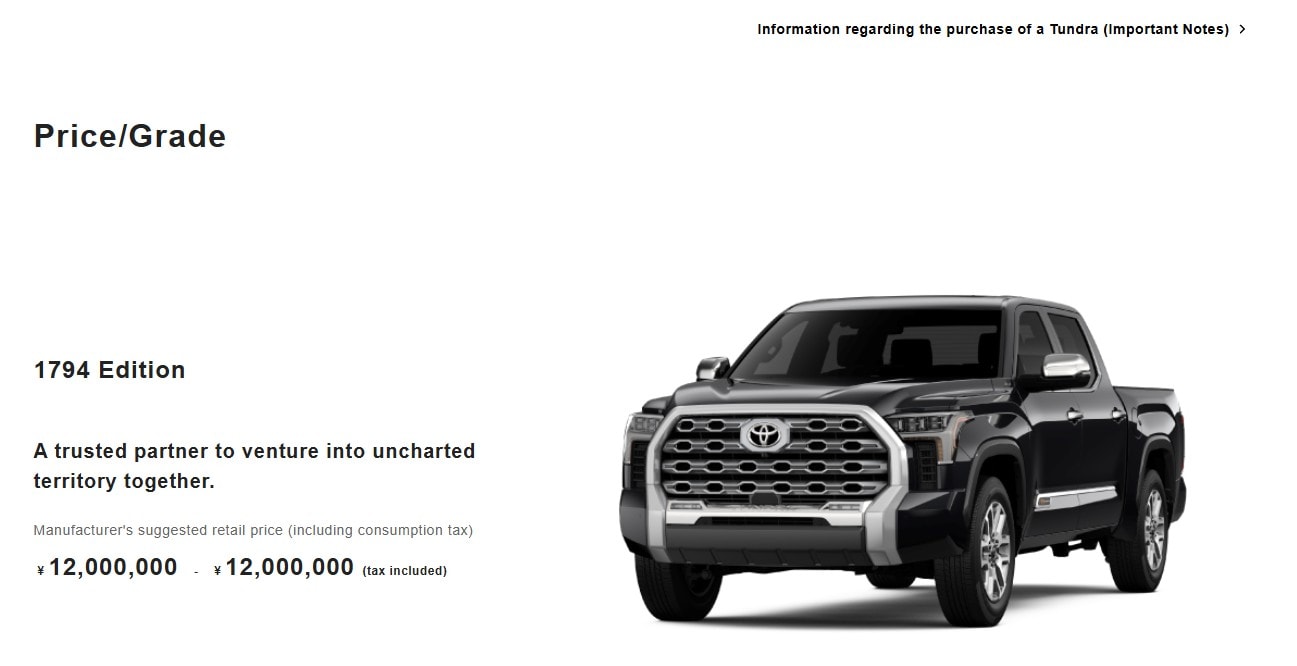
Toyota’s manufacturing culture grew around this philosophy. Rather than relying on inspection alone, the company developed production processes designed to prevent defects from occurring in the first place. As a result, workers and executives in Japan often evaluate quality through a different lens than their counterparts in North America.
The contrast becomes easier to understand when considering Toyota facilities such as Tahara and Motomachi. According to the information referenced in the disclosure, even a single particle of dust could trigger an immediate production stoppage. Against that backdrop, acknowledging a paint defect measuring 5 mm represents a significant concession.

Toyota’s documentation also serves another purpose. By identifying these conditions in advance and describing them as “points of care,” the automaker establishes expectations before delivery. In effect, cosmetic imperfections associated with overseas-market standards are presented as regional characteristics rather than unexpected factory defects.