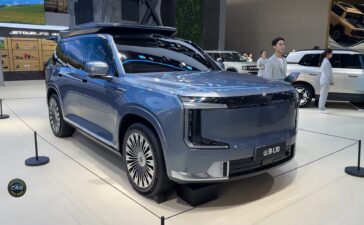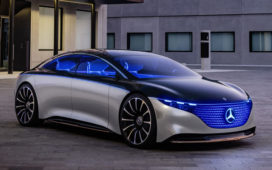
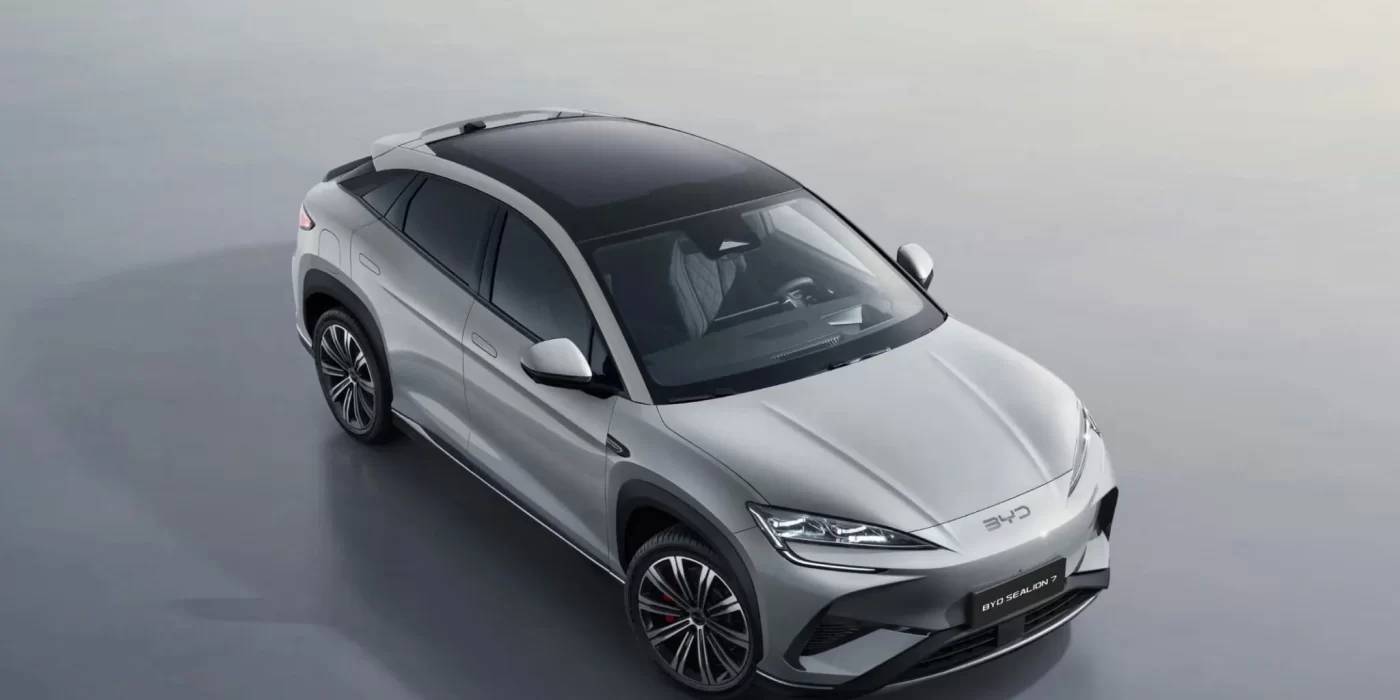

Electronic door handles helped define the look of modern electric vehicles. Tesla popularized the trend years ago, and many newer EV brands followed with hidden or fully electronic systems designed to smooth airflow and clean up exterior styling. Hong Kong now appears ready to move in the opposite direction.
Officials are preparing rules aimed at banning new EVs equipped only with electronic door handles. The proposal follows mainland China’s recent decision requiring physical mechanical door releases on all newly launched vehicles beginning in 2027.
Even though Hong Kong falls under Chinese sovereignty, the city operates under separate automotive regulations through the “one country, two systems” framework. Mainland standards, therefore, do not automatically transfer into local law. Still, Hong Kong authorities are reviewing China’s newly introduced GB 48001-2026 regulation focused on automotive door-handle safety.
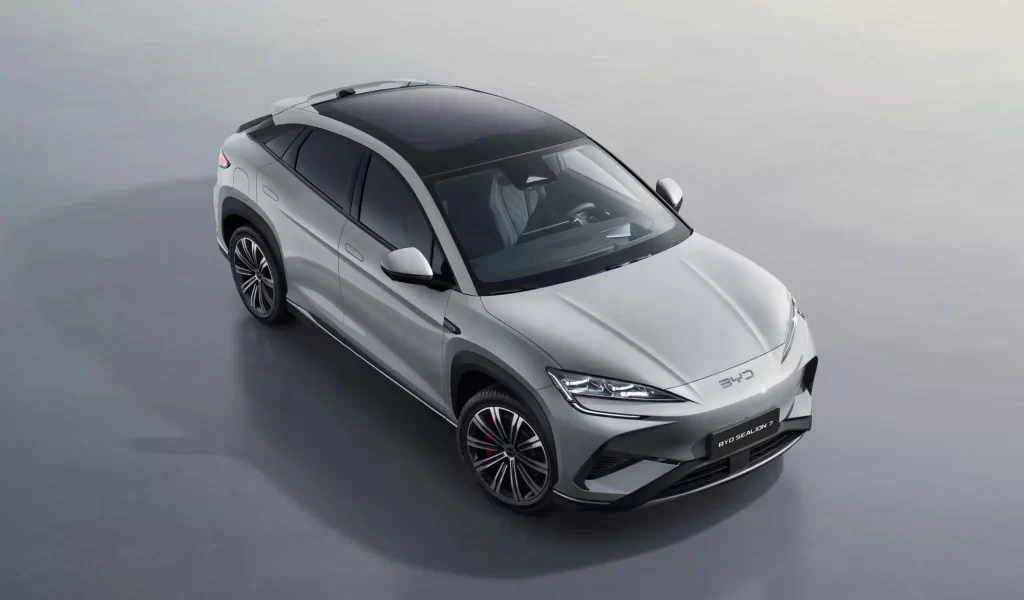
According to the South China Morning Post, Secretary for Transport and Logistics Mable Chan confirmed authorities are studying the standard and discussing similar requirements with industry representatives. Importers were reportedly reminded last year that all vehicles entering the market must include manual door releases.
At the center of the debate sits a growing concern surrounding power-operated systems after crashes, electrical failures, or fires. Officials argue electronic-only handles create risks during emergencies because occupants or rescue crews might struggle to open doors quickly if power systems stop functioning.
The proposal would require future EVs sold locally to include both interior and exterior mechanical door handles. Oddly enough, the discussion currently targets electric vehicles only. Gasoline-powered vehicles would still retain permission to use retractable or electrically operated handles.
Authorities specifically referenced failures occurring after accidents. Chan stated China’s standard focuses on “addressing issues such as failure in operating door handles after accidents.”
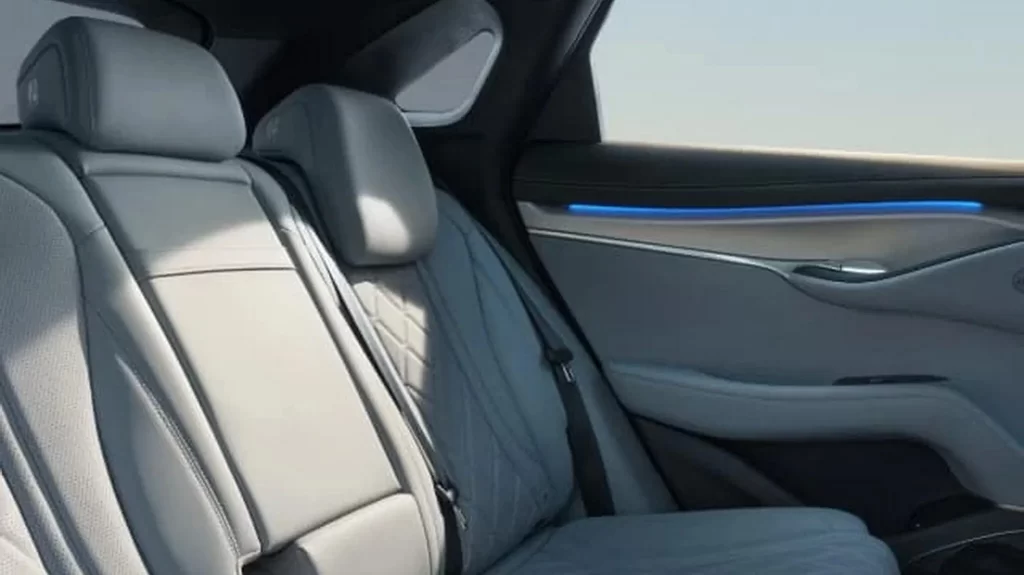
Concerns extend beyond exterior handles alone. Some recent EVs replace traditional interior pull handles with electronic door-open buttons, while backup mechanical releases remain hidden in unusual places inside the cabin. In stressful situations, passengers often do not know where those emergency levers sit or how they function.
Ringo Lee Yiu-pui from the Hong Kong, China Automobile Association warned that first responders still face difficulty accessing certain vehicles because exterior mechanical access points are missing. He also noted dealership staff frequently fail to explain emergency-release systems properly during deliveries.
The issue has already spread beyond China’s mainland market. Automakers rarely create separate door-handle systems for individual regions unless regulations force them into doing so. Because of that, safety rules introduced in Hong Kong and China might eventually influence vehicles sold in Europe, North America, and additional global markets.
Flush electronic handles helped shape the modern EV image. Regulators now seem more interested in what happens after the power goes out.