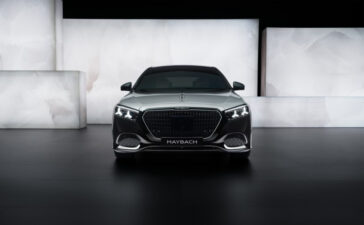

Mercedes-Benz keeps electric vehicles in its United States lineup, even while demand cools after federal tax credits disappeared. Internal planning does not chase rapid volume. Brand leadership sees selective buying interest, mostly in specific regions, while inventory pressure from overseas markets shapes every delivery decision.
Adam Chamberlain, chief executive officer of Mercedes-Benz USA, outlined this position during remarks given to AutoNews. His explanation linked future electric strategy less to short-term local enthusiasm and more to worldwide obligations. Europe and China drive major regulatory pressure, so Mercedes continues along an electric path across all major markets.
A separate electric-only family no longer sits at the center of product planning. Mercedes shifted toward flexible platforms instead. New architectures support gasoline-powered models, hybrid versions, plus full battery-electric versions inside one product structure. For Mercedes, this lowers risk when retail demand moves unevenly from one region to another.
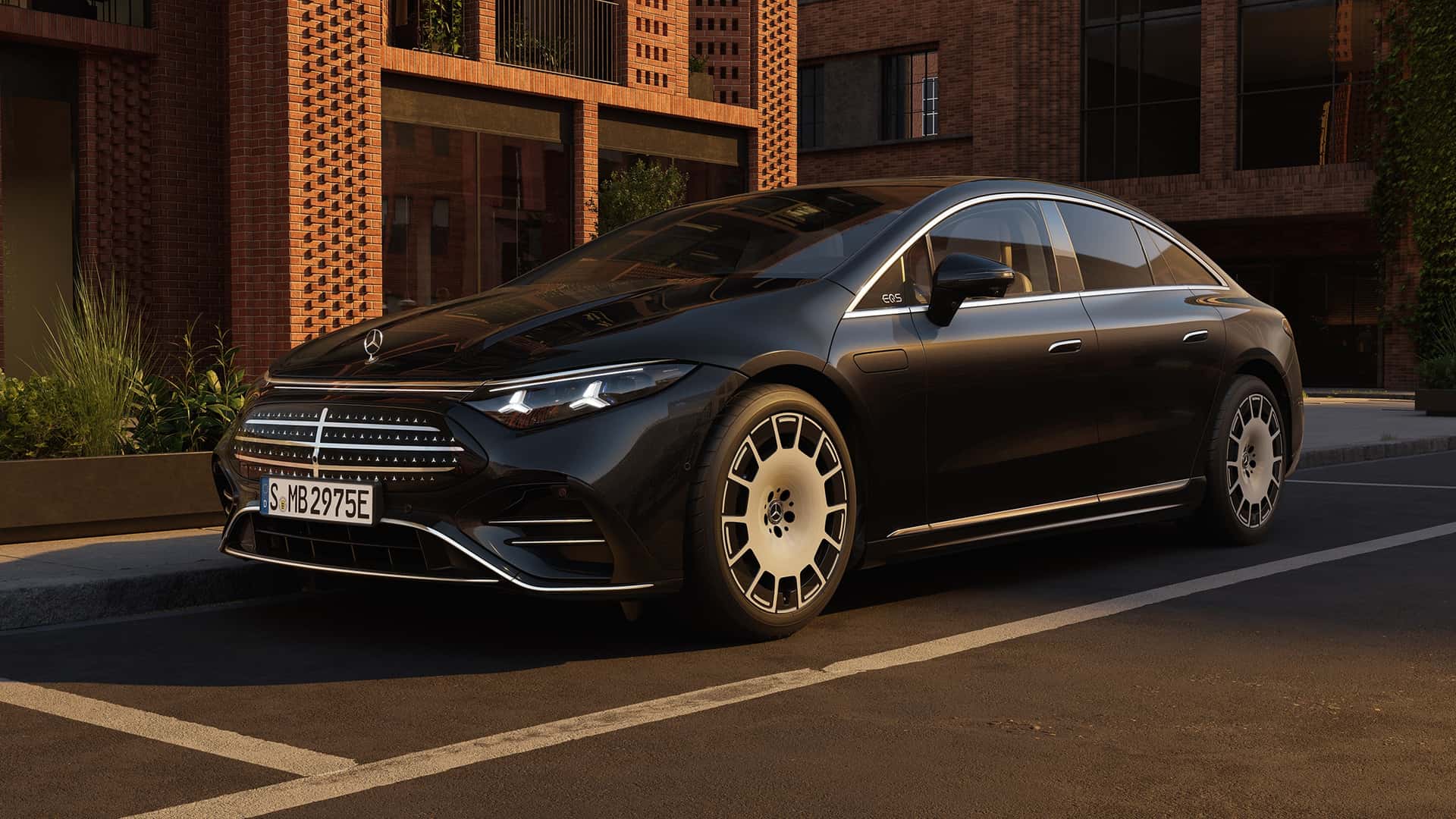
Over the next three years, United States buyers will see several fresh battery-electric arrivals. Three AMG performance models sit inside this program. Mercedes also plans battery-powered versions of the GLC crossover, E-Class, and a C-Class sedan previewed recently. Product flow stays active, even with cautious sales expectations.
For this year, electric vehicles account for roughly 5 percent of Mercedes retail sales across the United States. Supply limits play a role. Strong pull from Europe and China absorbs stock before many vehicles reach American dealers. Chamberlain noted that around 200 electric CLA units reached customer allocation in the United States, and every unit has already found a buyer.
Demand differs sharply by location. Across the country, around 14 percent of consumers say an electric vehicle deserves serious consideration during a future purchase. California shows a wider opening, with 28 percent giving similar interest. Mercedes reads such numbers as proof of uneven demand rather than broad national momentum.
Profit stays above market-share ambition. Chamberlain made clear Mercedes avoids building tens of thousands of units without confirmed buyers waiting. Production follows known retail appetite, not headline volume.
He also pointed toward a larger future sales share once mainstream electric entries arrive in larger numbers. His estimate placed the United States electric sales between 10 and 15 percent in the year 2021, using figures presented in the source discussion. Extra supply from battery-electric GLC and C-Class models supports such thinking, though current discipline around allocation still defines daily business.
Mercedes keeps moving, though with measured steps. A wide electric rollout continues, though each shipment, each allocation, each launch follows demand pockets first, global pressure second, and profitability before scale.