Volkswagen is changing course with its electric lineup after chief executive Thomas Schäfer admitted the first Volkswagen ID.3 and Volkswagen ID.4 failed to reflect what buyers normally expect from the brand.
Speaking during recent media discussions, Schäfer said both early battery models missed several core elements linked to Volkswagen’s identity. He pointed to exterior styling, cabin usability, and the broader naming direction chosen for the electric range. According to him, touch-heavy controls and an interface lacking intuitive logic became part of the problem, while established names such as Golf, Polo, and Tiguan disappeared from the conversation at the wrong moment.
The company had already planned a major renaming move. ID.3 and ID.4 were expected to evolve into ID. Golf and ID. Tiguan with the next generation near the end of the decade. That step has now been delayed. For the immediate cycle, Volkswagen keeps the existing naming logic, though with visible adjustments.
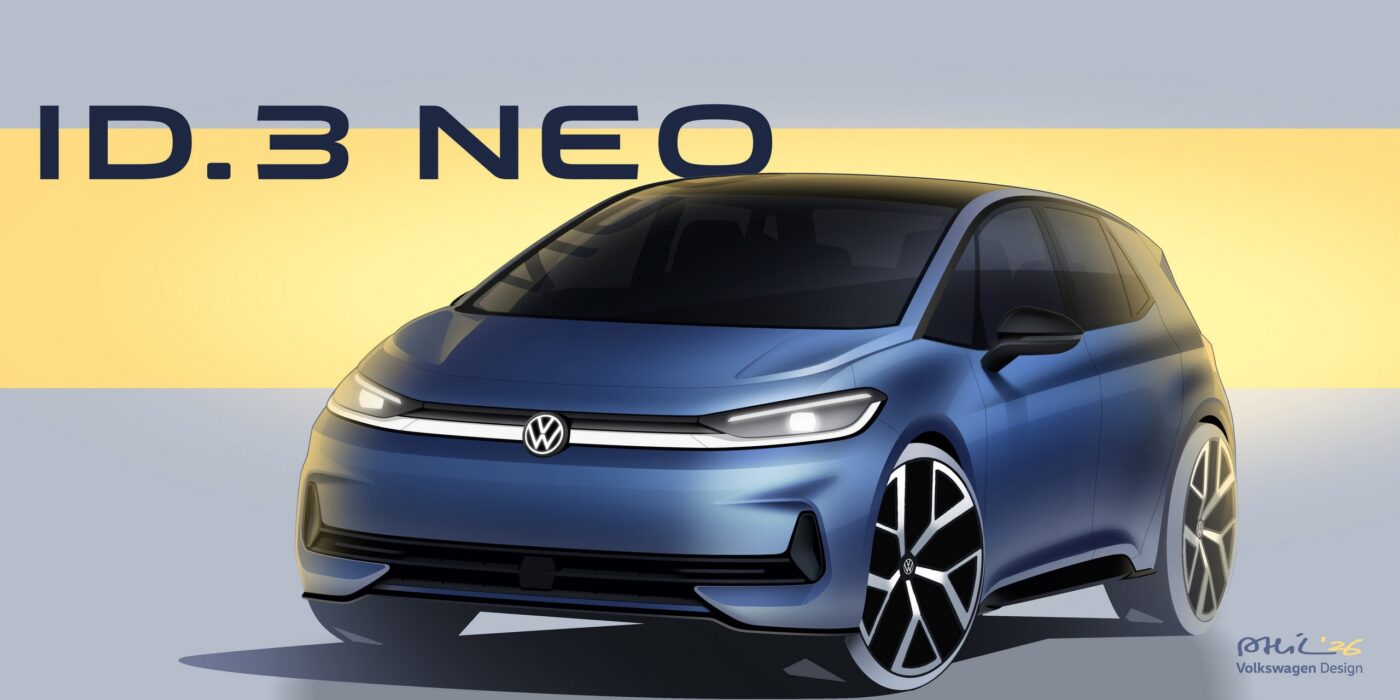
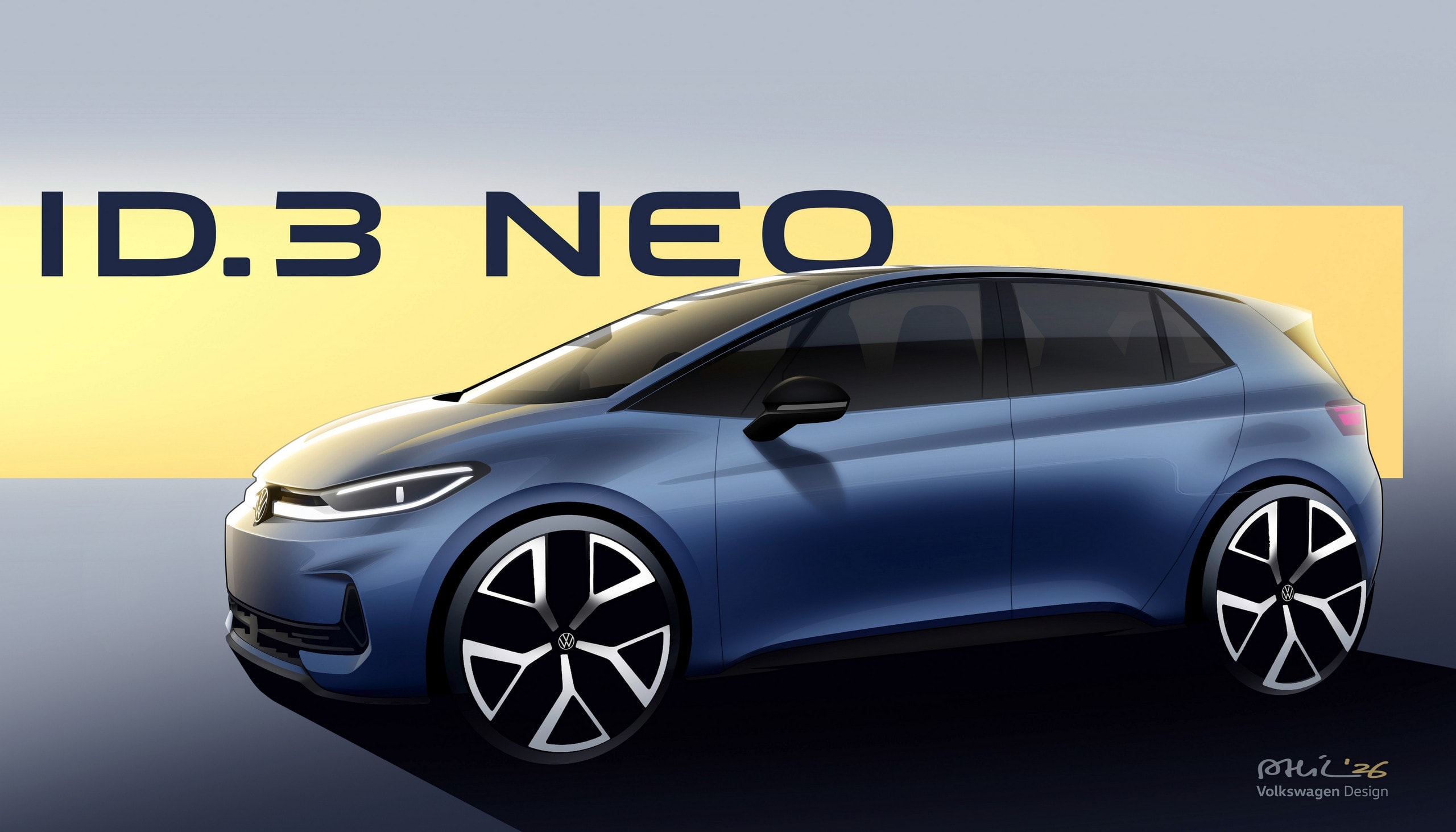
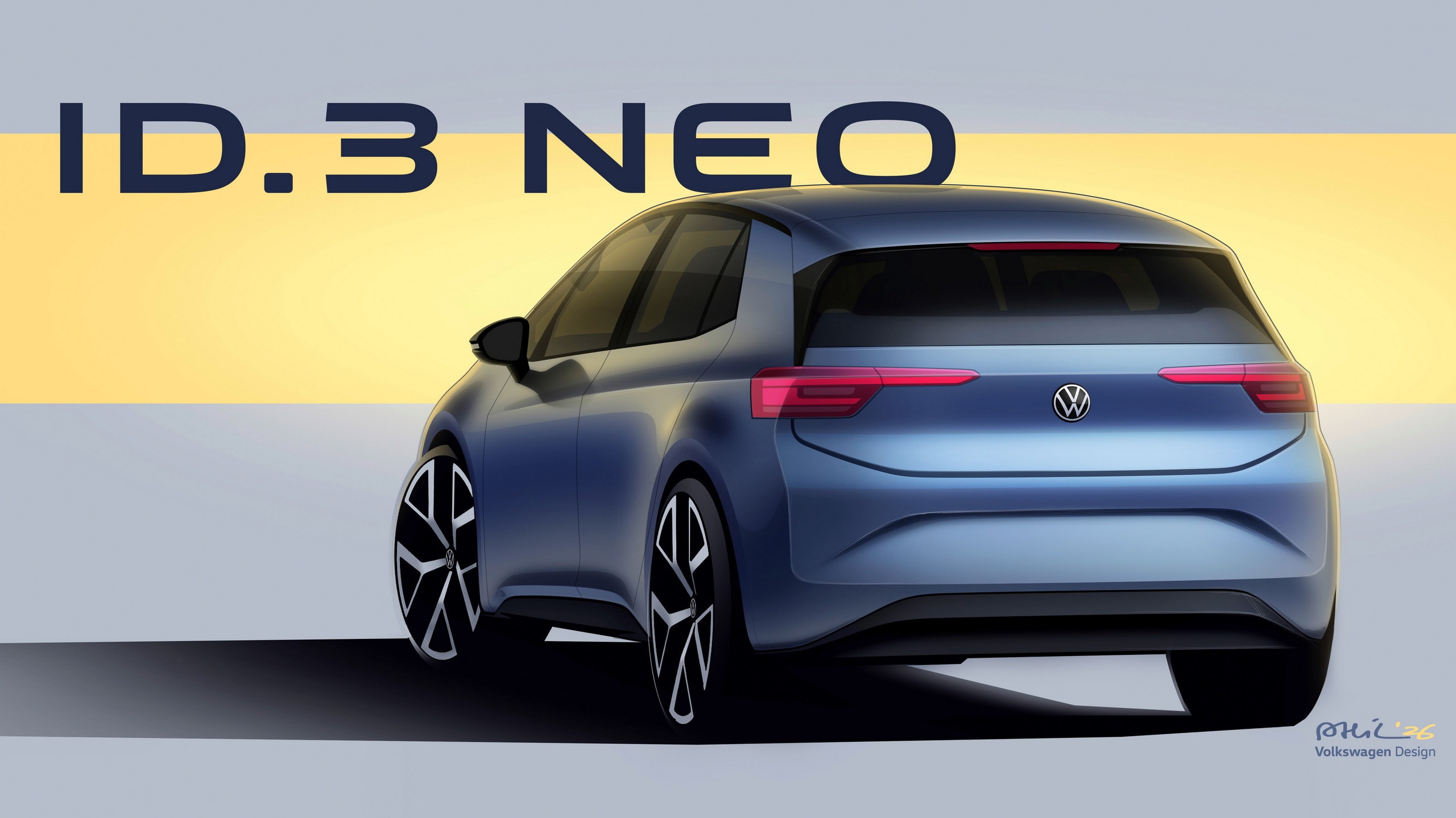
The first clear signal arrives next week with the debut of the updated ID.3 Neo. Volkswagen positions this car as the opening move in a wider electric rollout. Shortly after, buyers will also see ID. Polo, ID. Cross, and ID. Polo GTI arrive in sequence, while a redesigned ID.4 follows later.
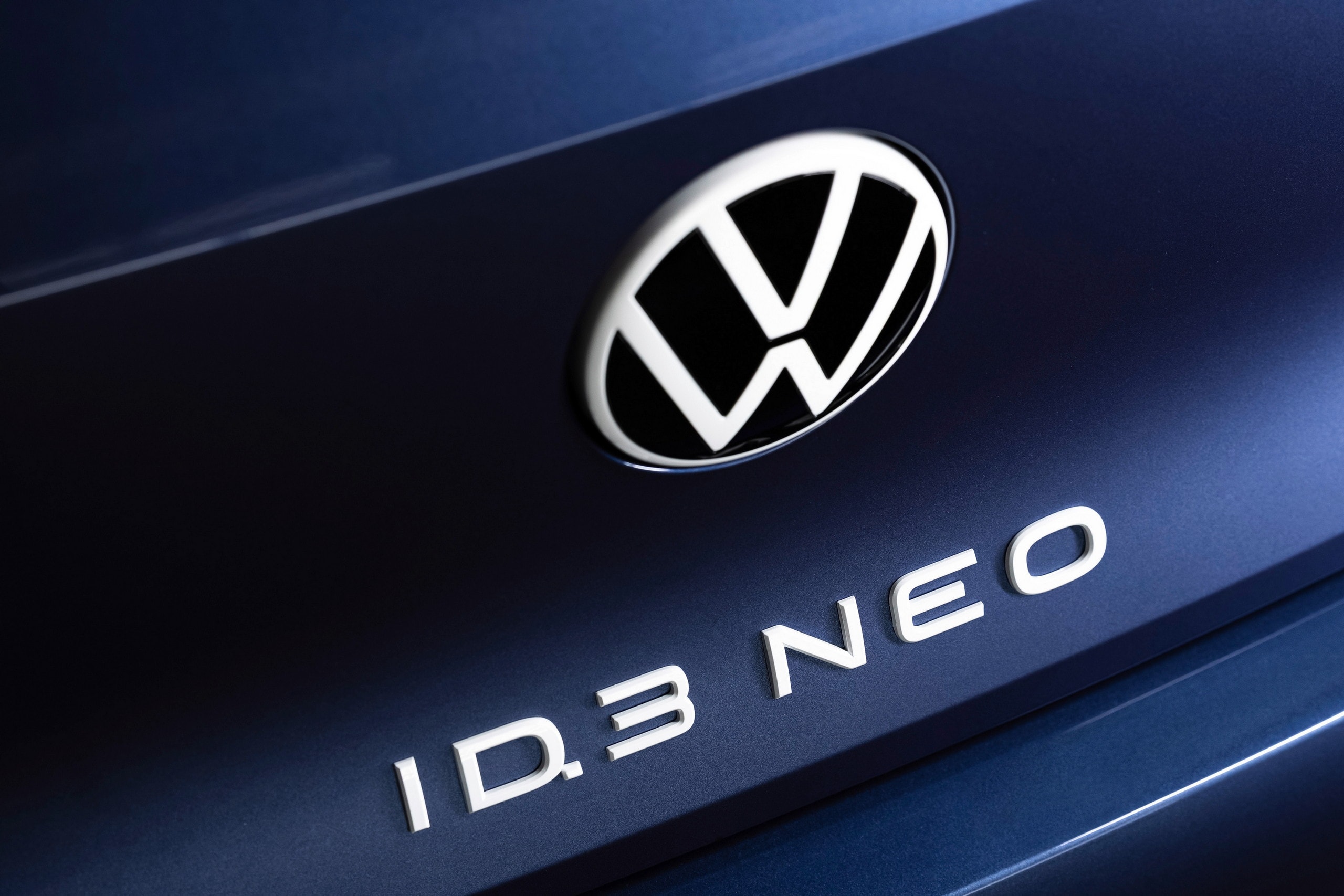
ID.3 Neo carries deeper changes than the 2023 facelift. Volkswagen describes the 2026 update as extensive enough to justify a separate Neo badge, though not enough to introduce the Golf name yet. The hatchback receives revised software and adds one-pedal driving for the first time. Travel Assist also gains traffic light recognition.
Inside, the brand removes touch sliders in favor of physical buttons through a new human-machine interface. Apple Digital Key appears on the feature list, together with Vehicle-to-Load support.
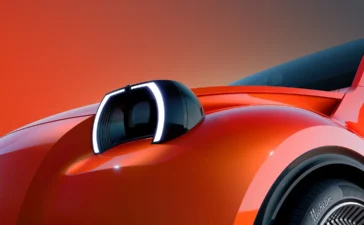
Design leadership has also shifted. Former Bentley designer Andy Mindt leads the visual reset. His first major statement came through the Volkswagen ID. 2all concept, presented as a return to familiar Volkswagen values. That concept previews the future ID. Polo and sets the tone for the upcoming family.
Volkswagen intends the revised ID.3 to carry part of that direction before the smaller electric Polo arrives. Schäfer said customer priorities now sit at the center of engineering decisions.
For Volkswagen, the issue was not limited to naming. The company now treats the first ID generation as a lesson, and the next products are being shaped with fewer experiments and more attention to everyday use.