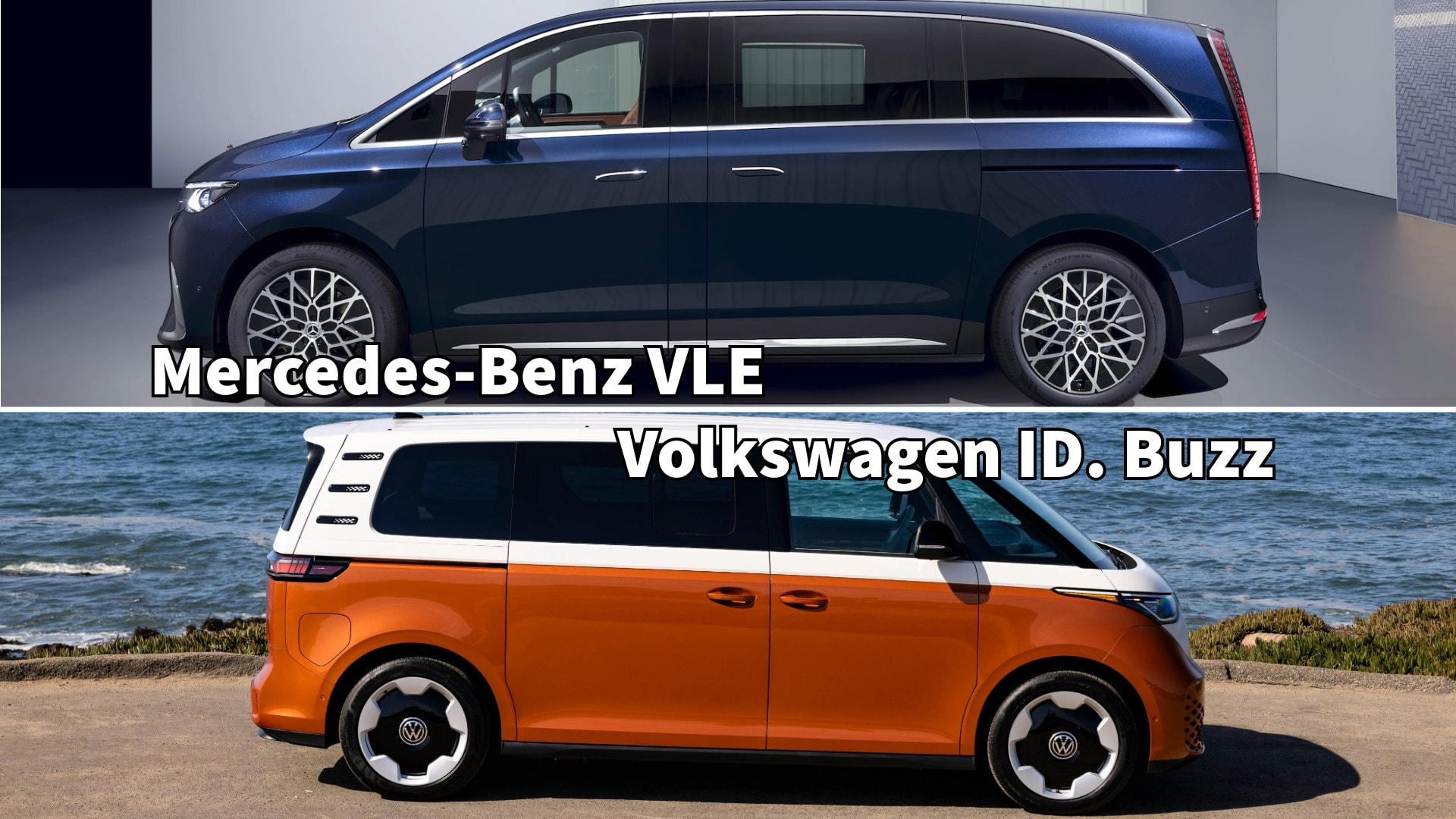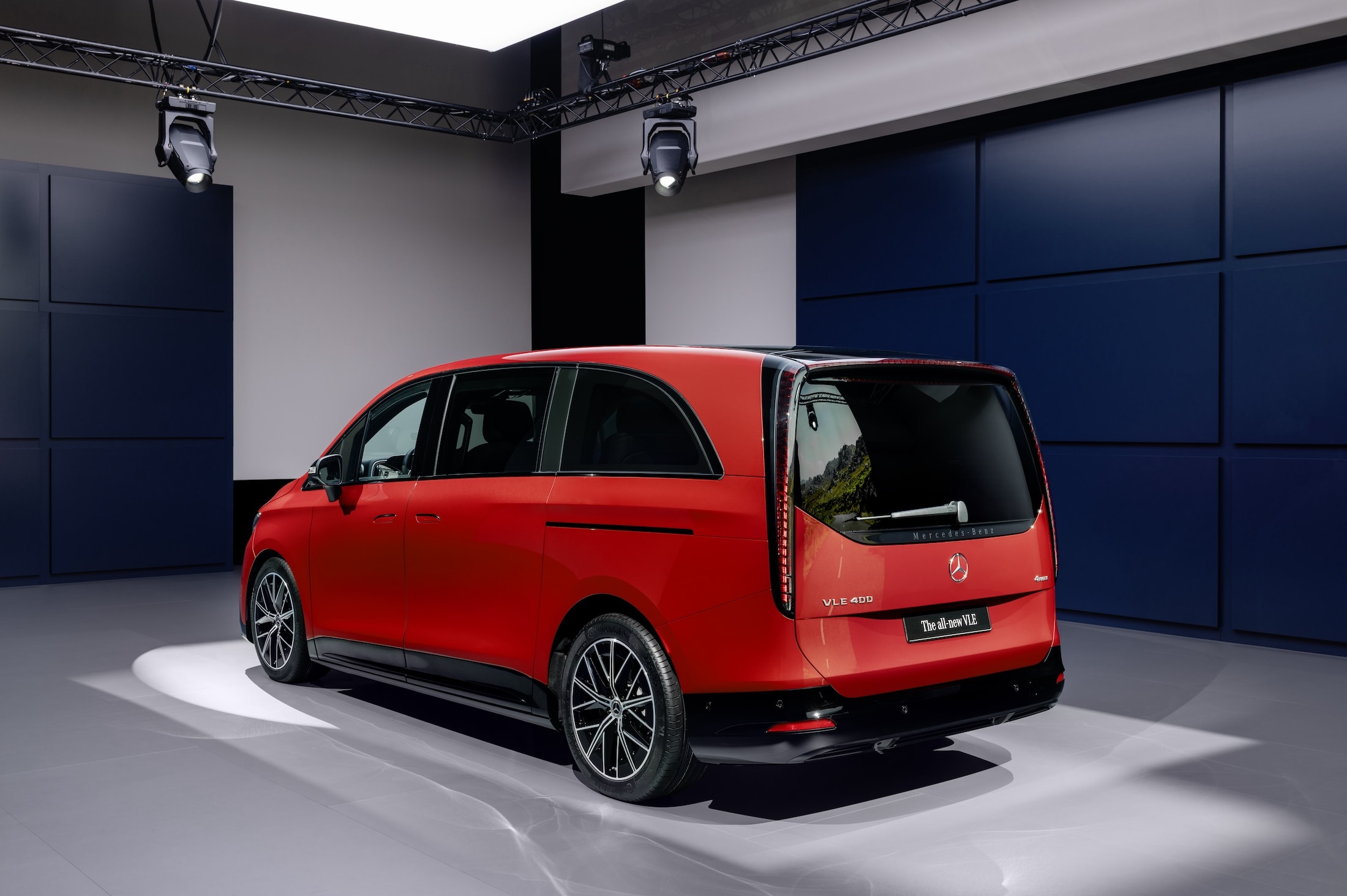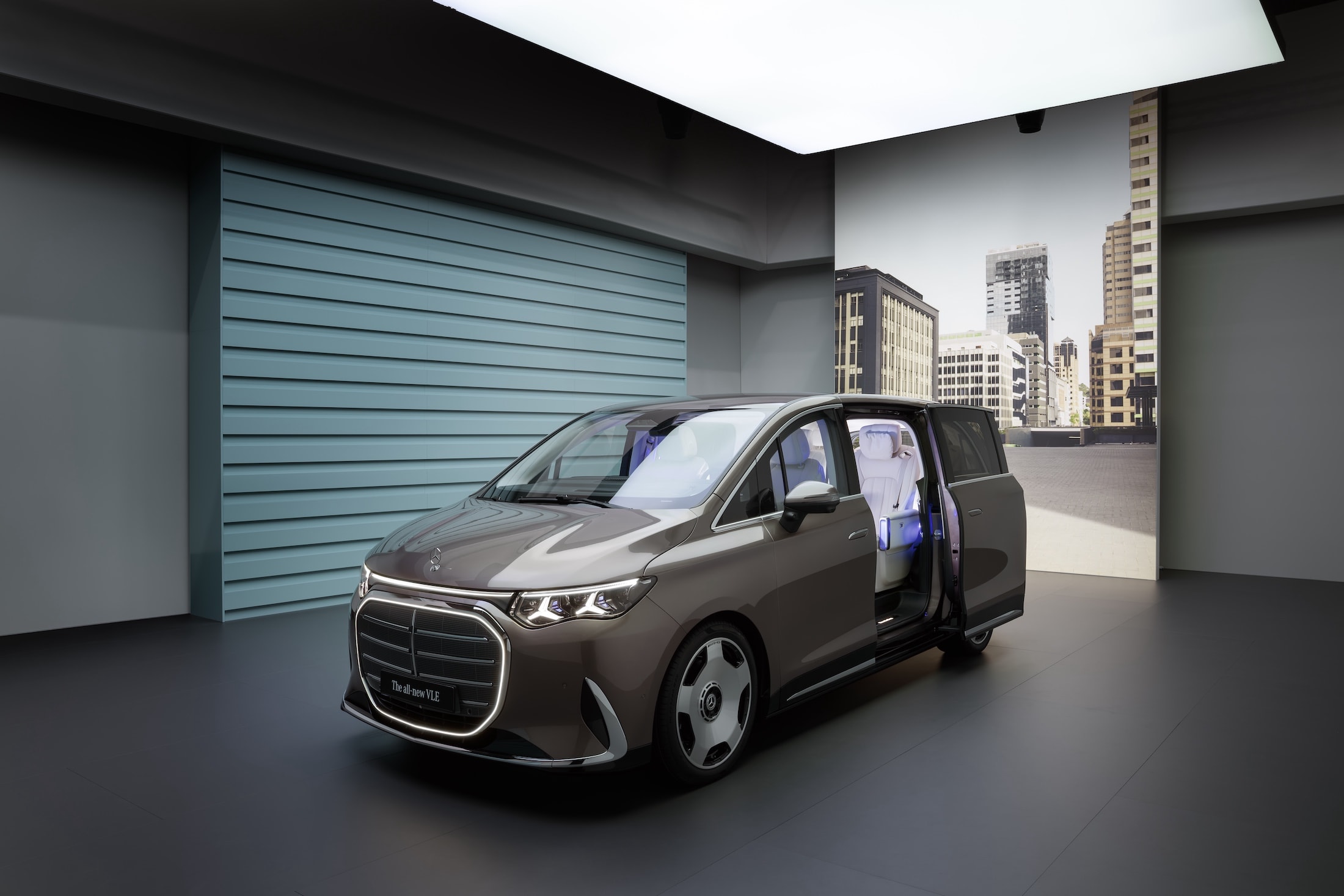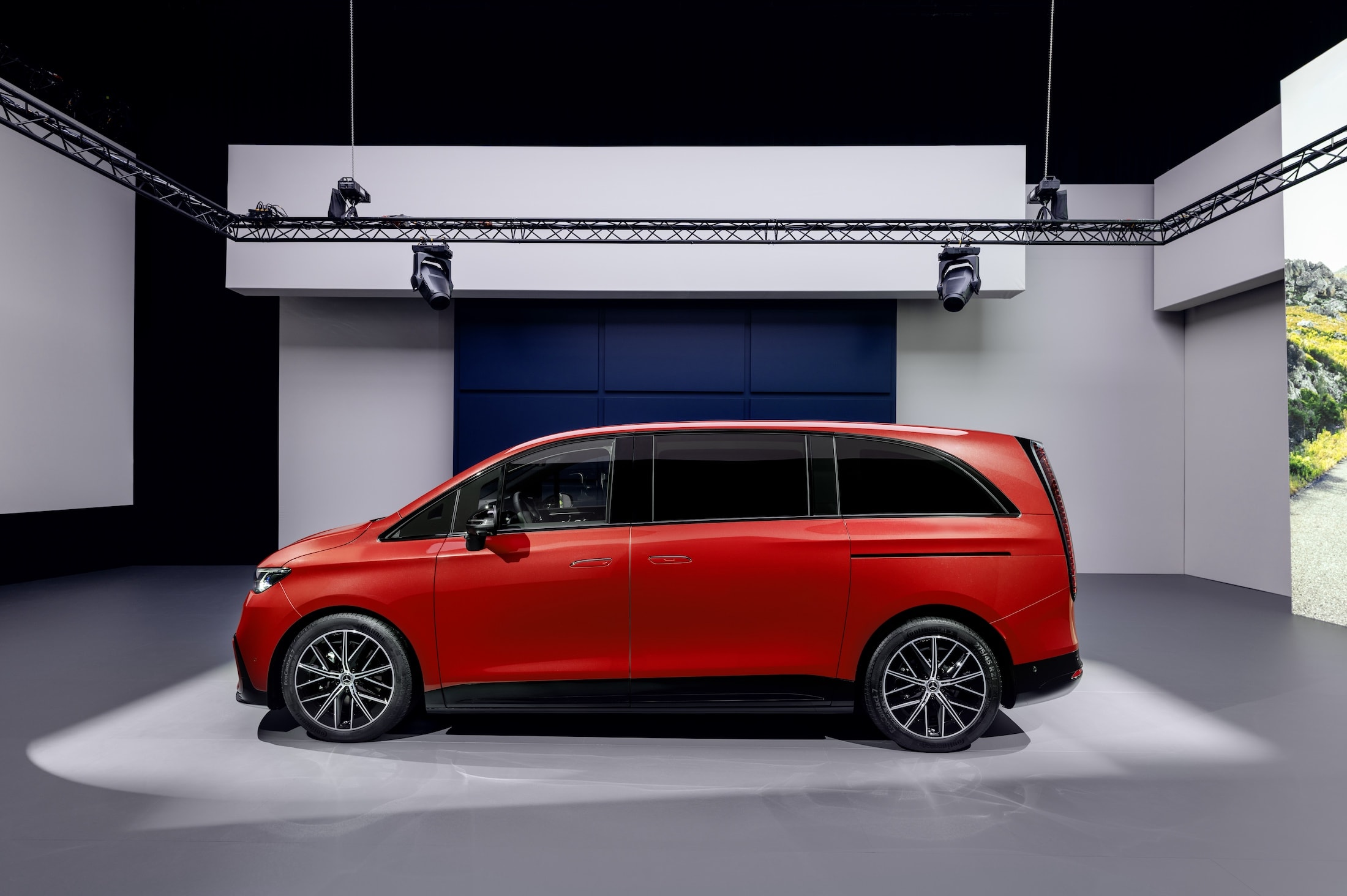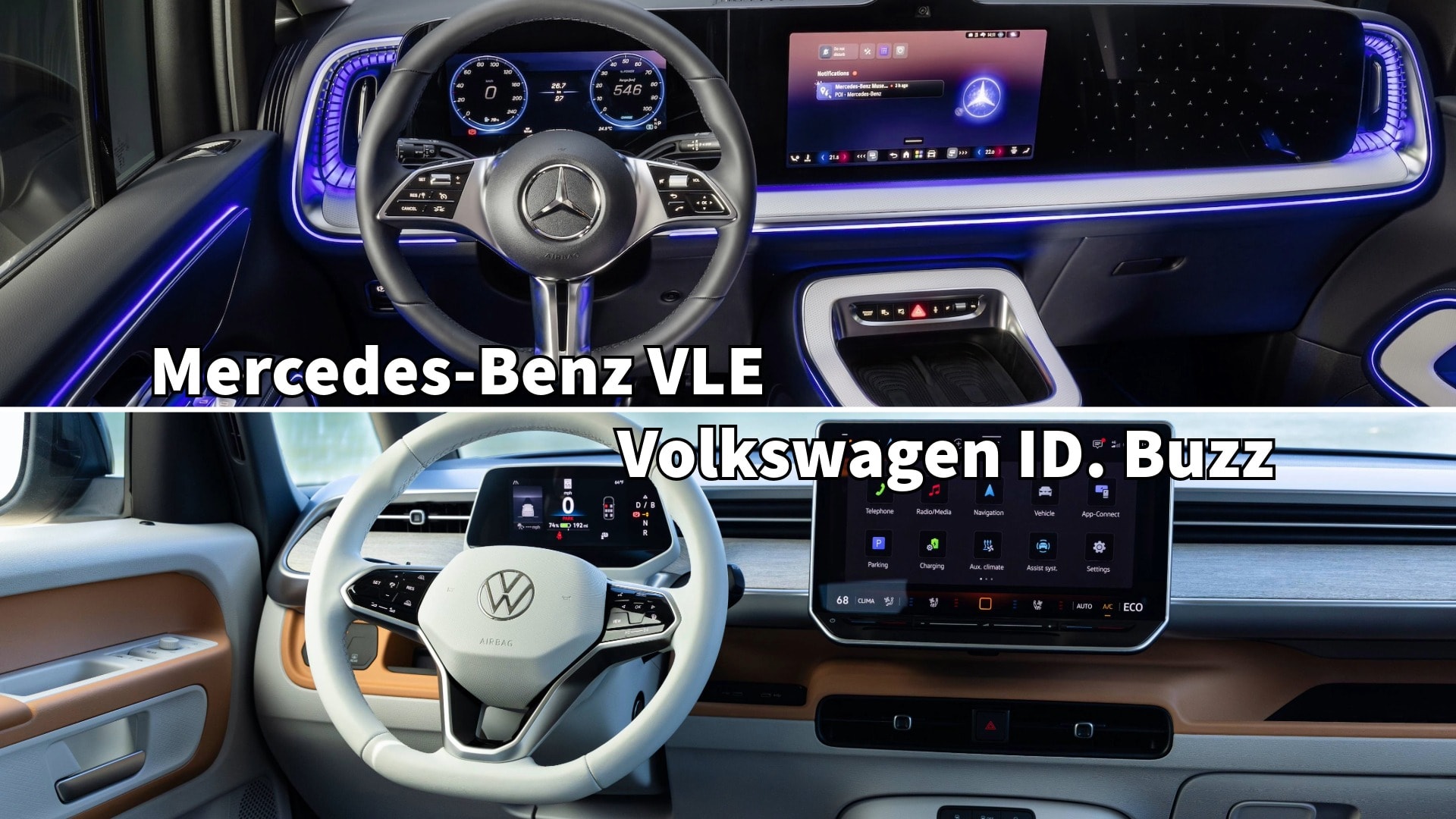
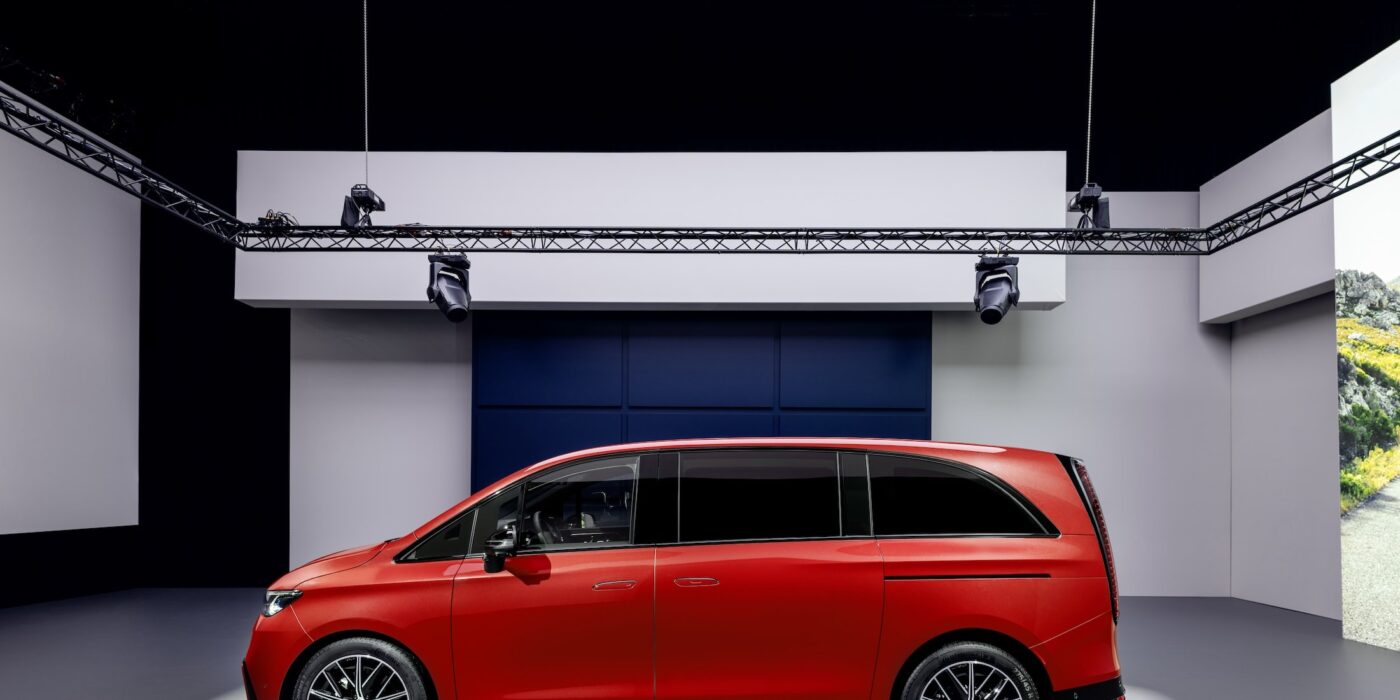

Mercedes-Benz is preparing another entry into the premium people-carrier segment, this time with the fully electric VLE, a model positioned far above what the brand previously offered under the V-Class and EQV names. Although both it and the Volkswagen ID. Buzz belongs to the same broad electric van category, the two vehicles clearly aim at different expectations once price, cabin layout, and hardware are placed side by side.
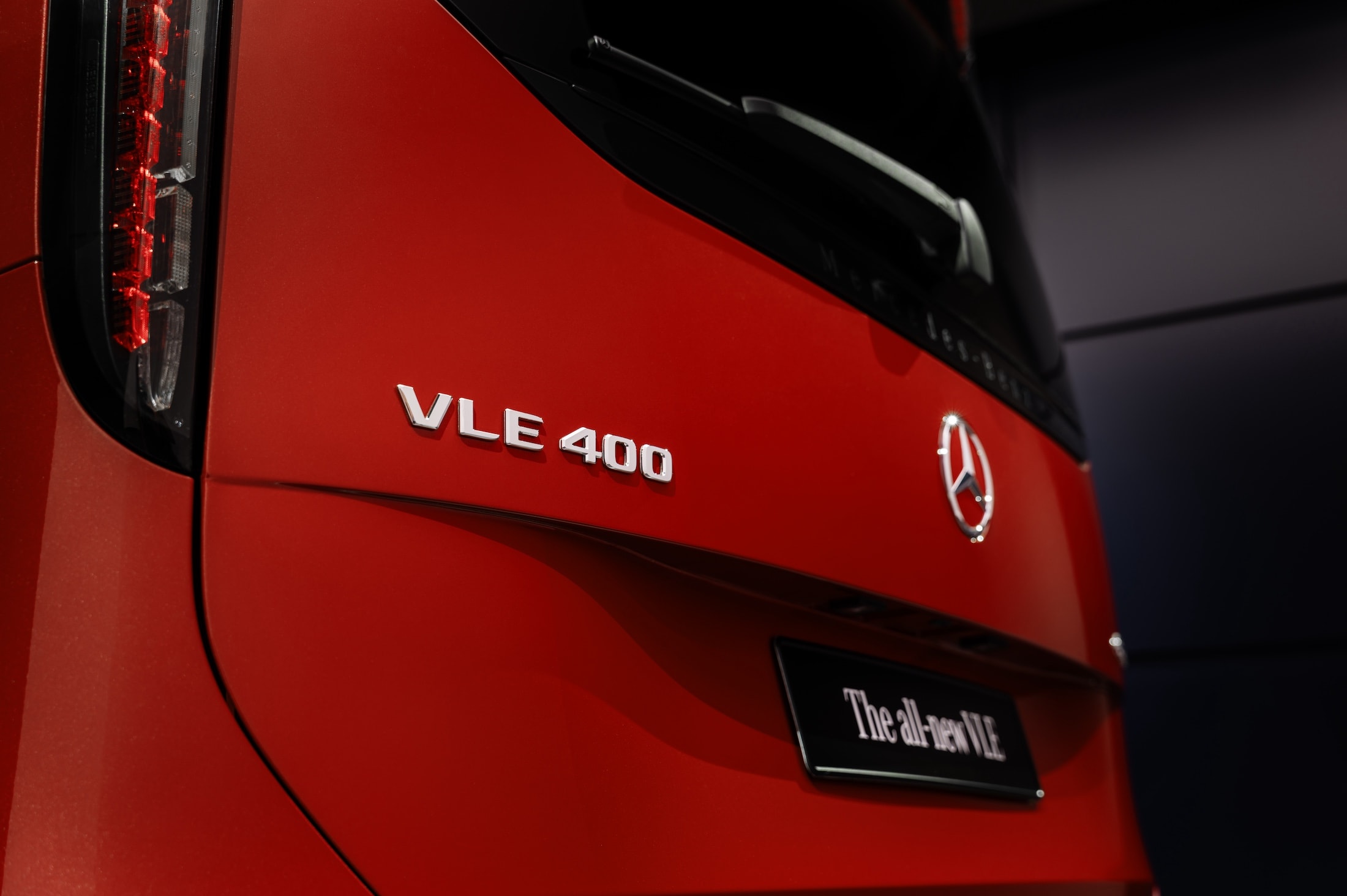
The entry level that Mercedes-Benz is planning is the right deal for the ID.Buzz from Volkswagen. It involves the VLW 250 variant, available at around 66,000 euros. Next in line is the VLE 300 with a price to sit at around 79,000 euros. The most expensive VLE will be the 400, with a price tag of around 120,000 euros.
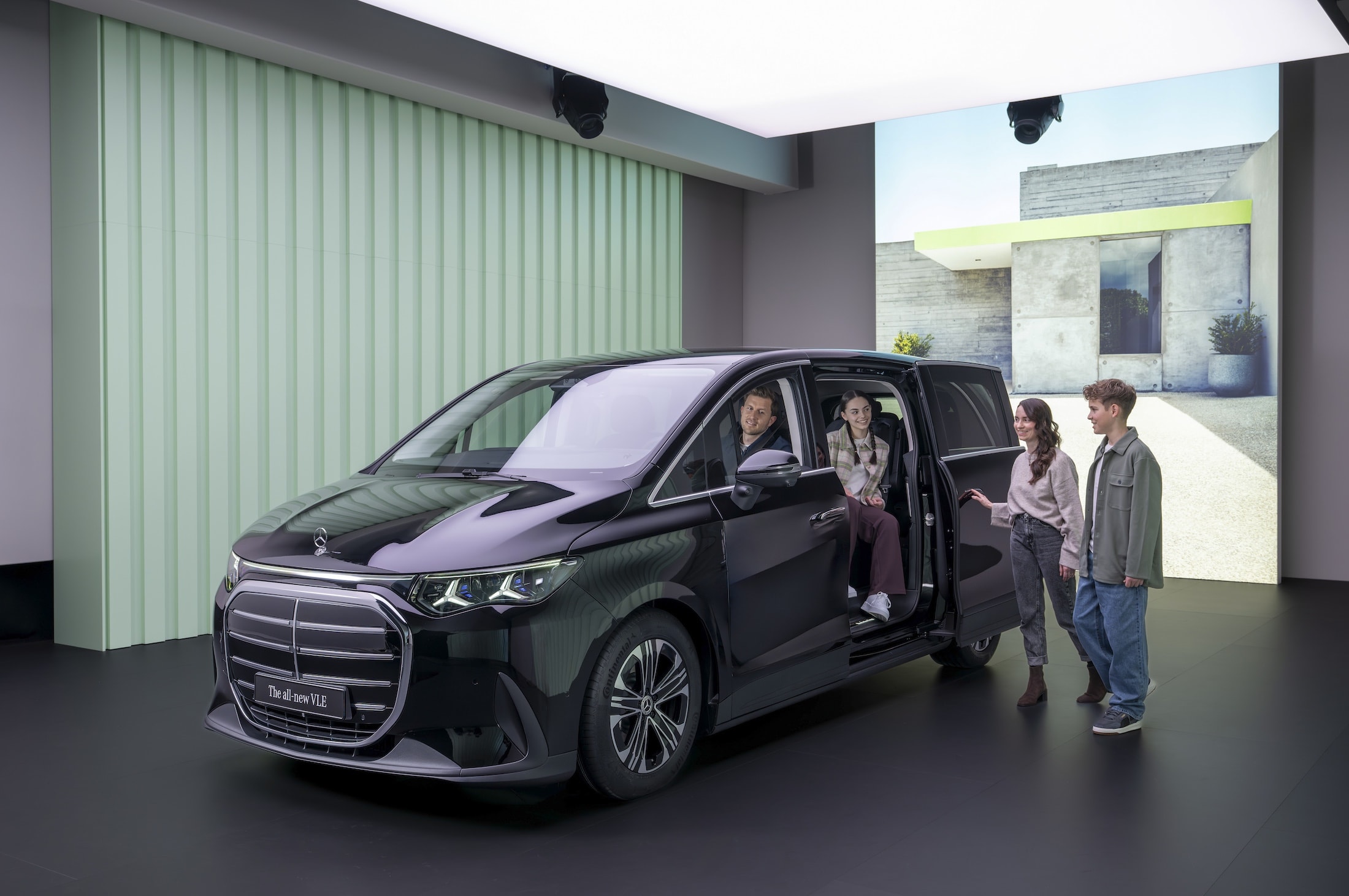
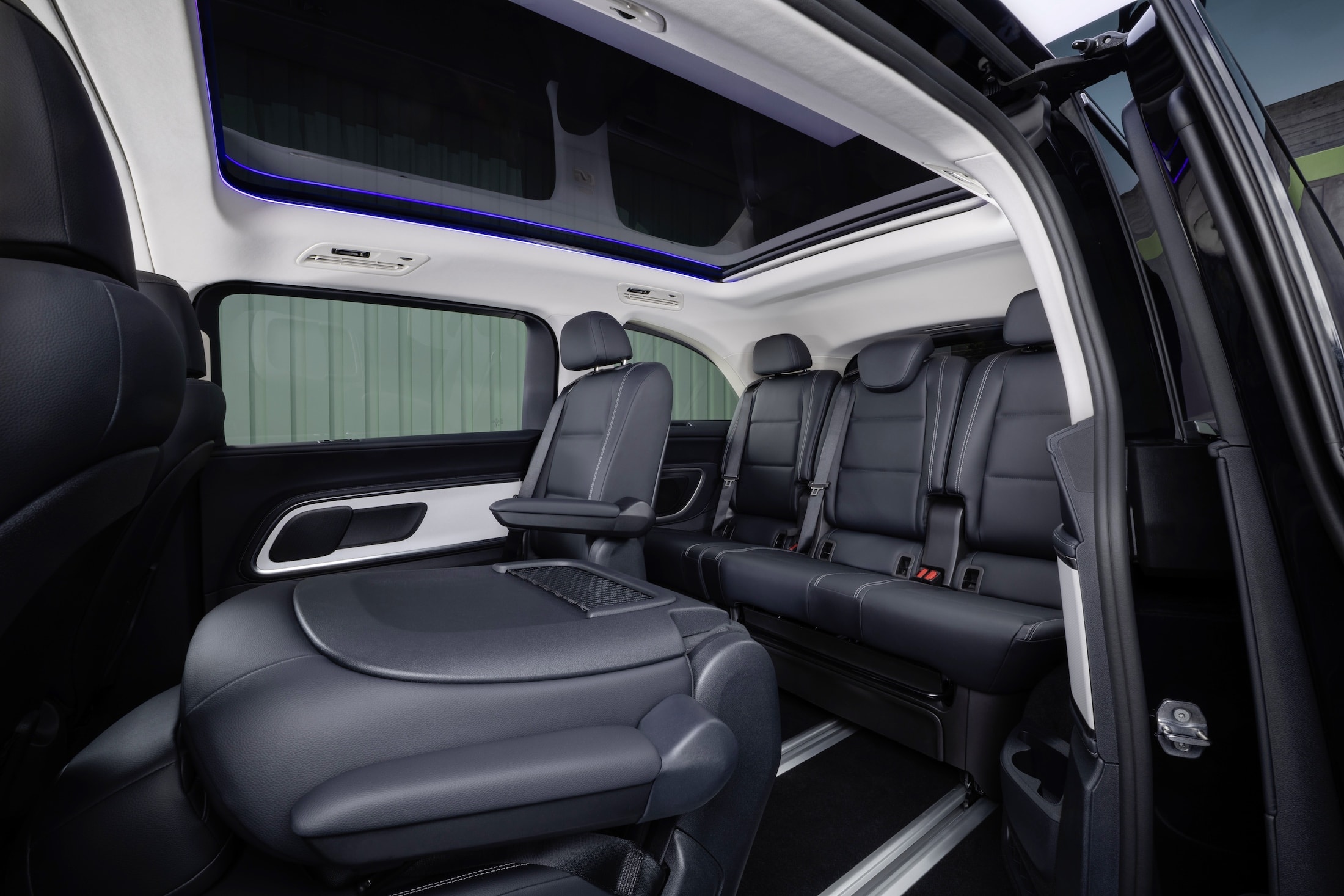
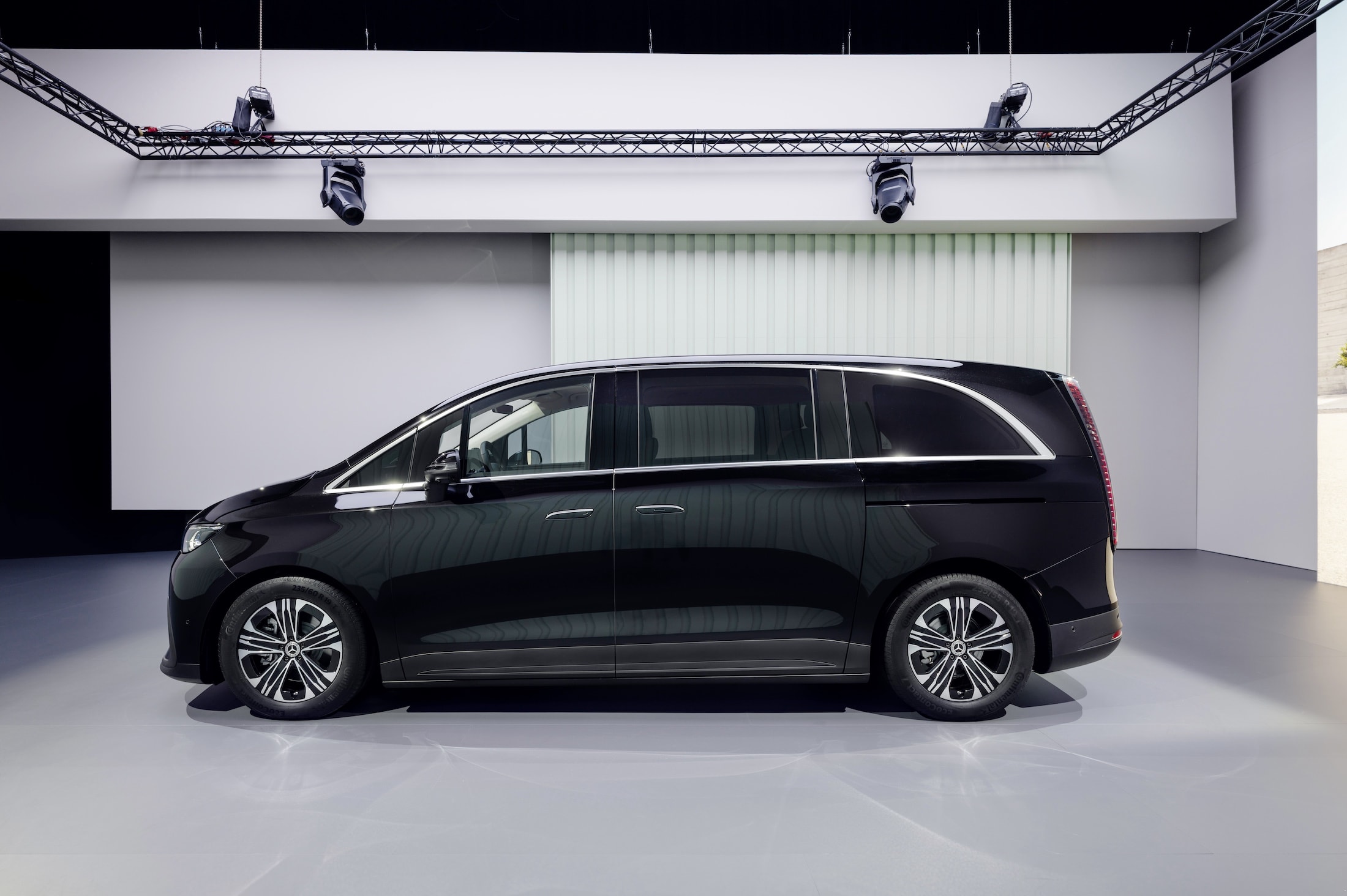
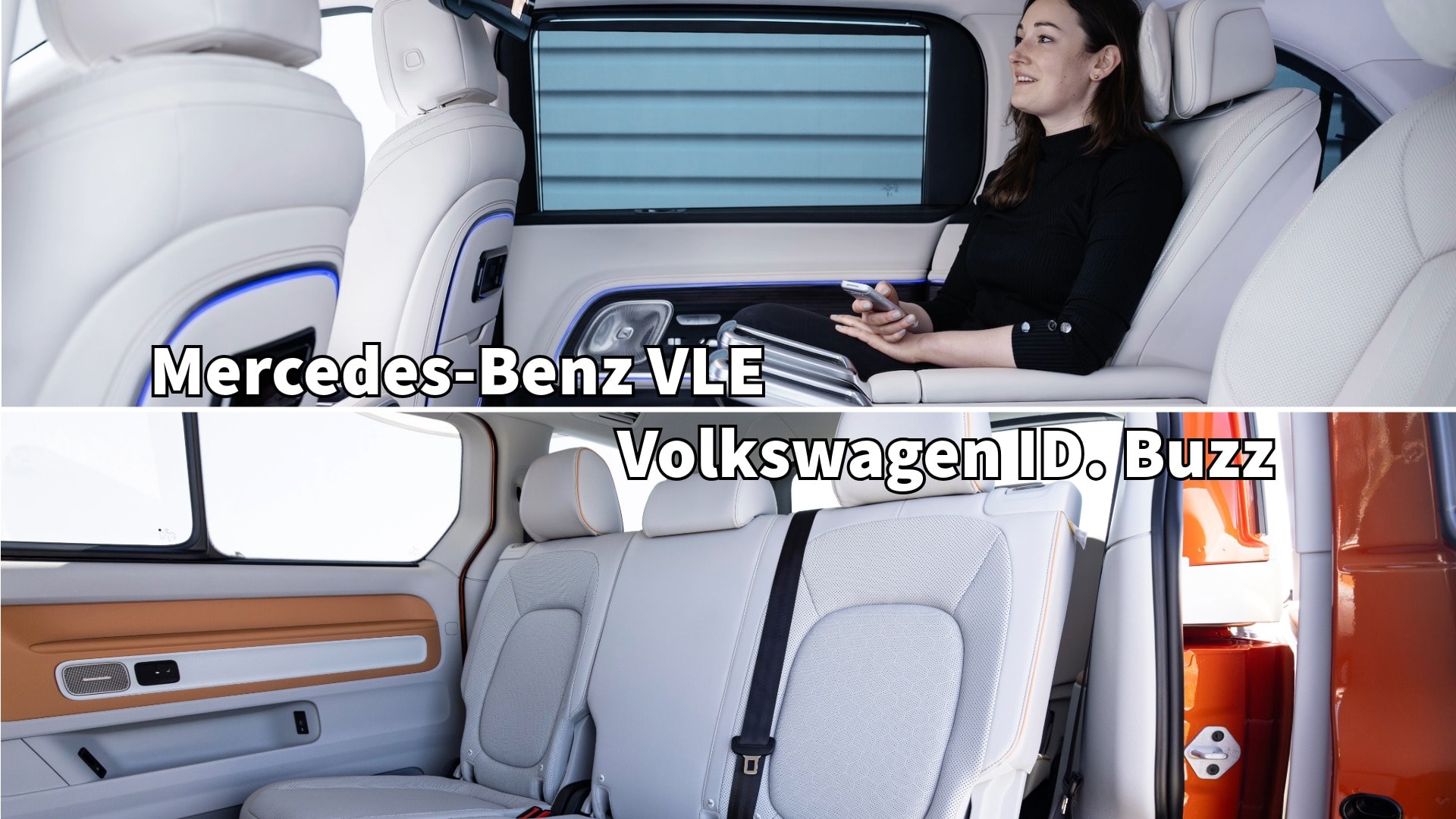
Mercedes also offers the buyer three internal seating arrangements with a capacity of five to eight people. Even the simplest Comfort Seats can slide, be removed completely, and include integrated wheels.
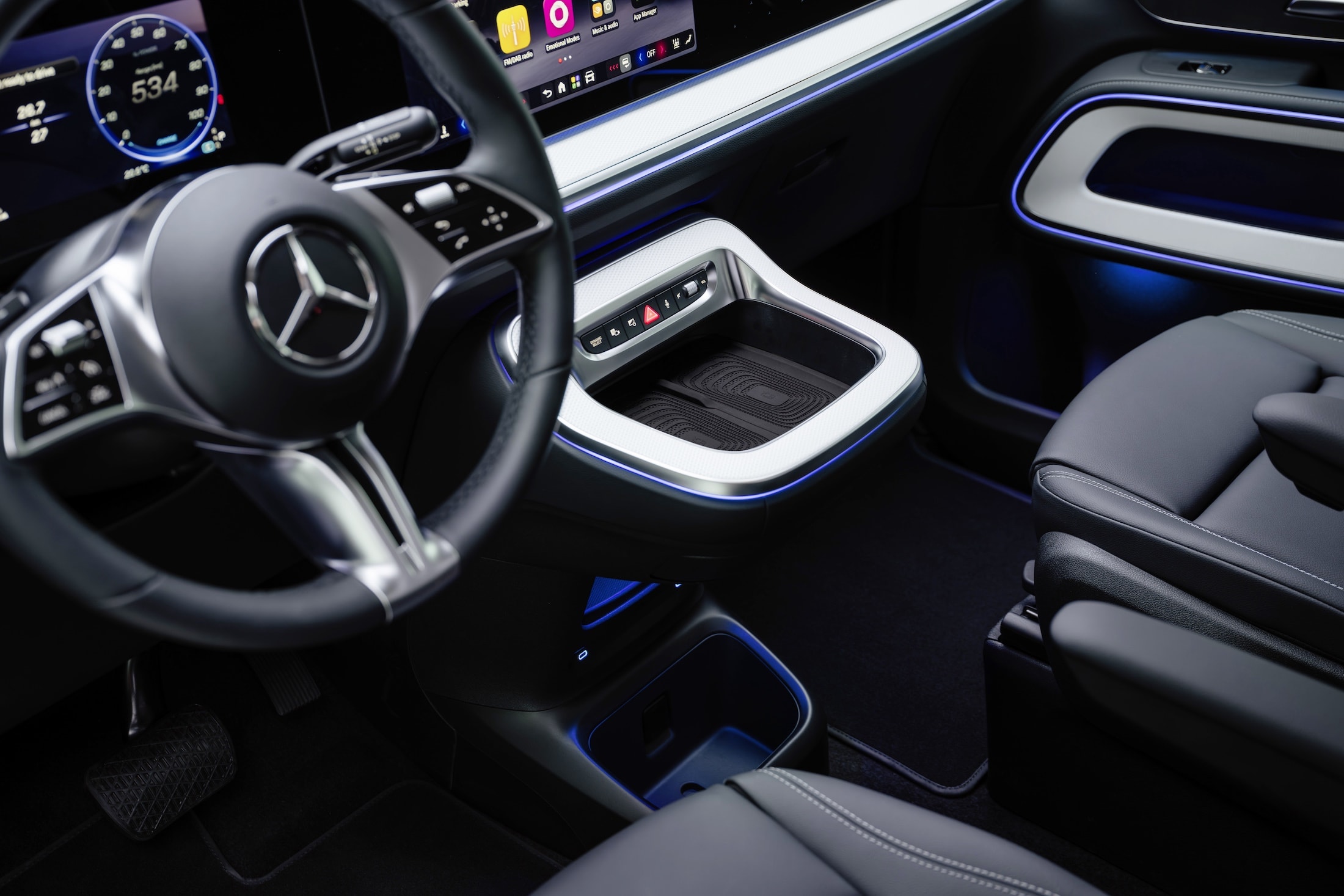
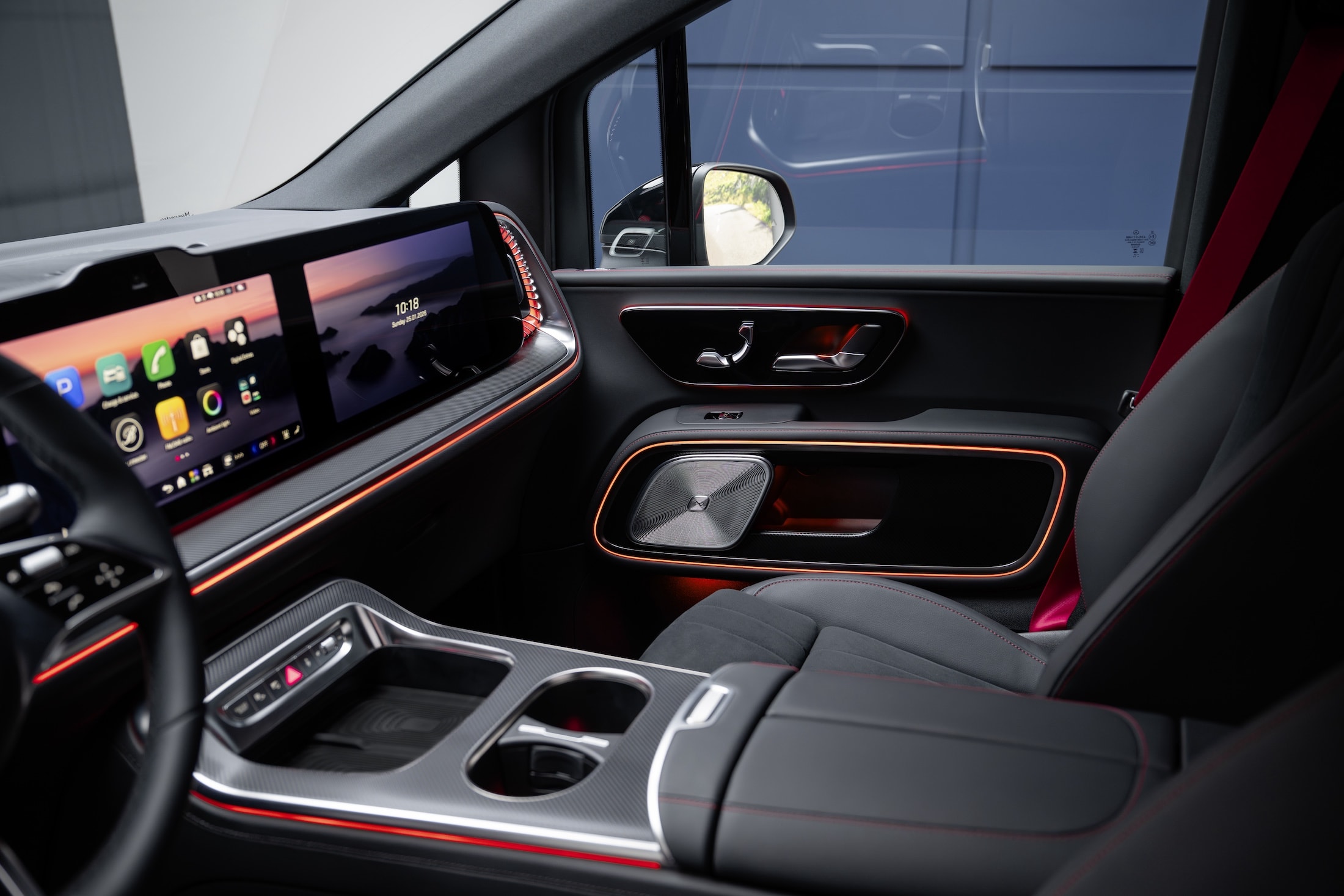
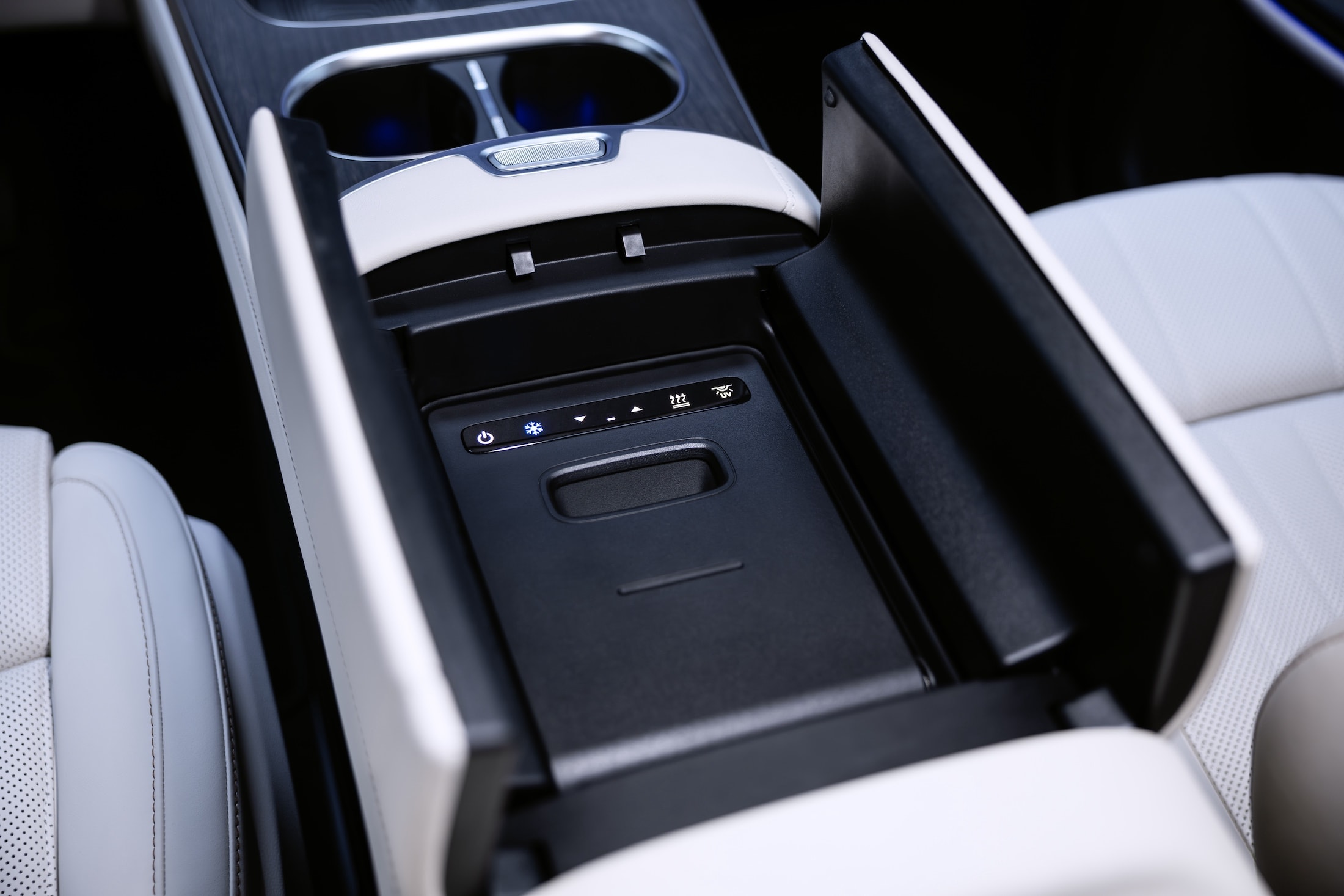
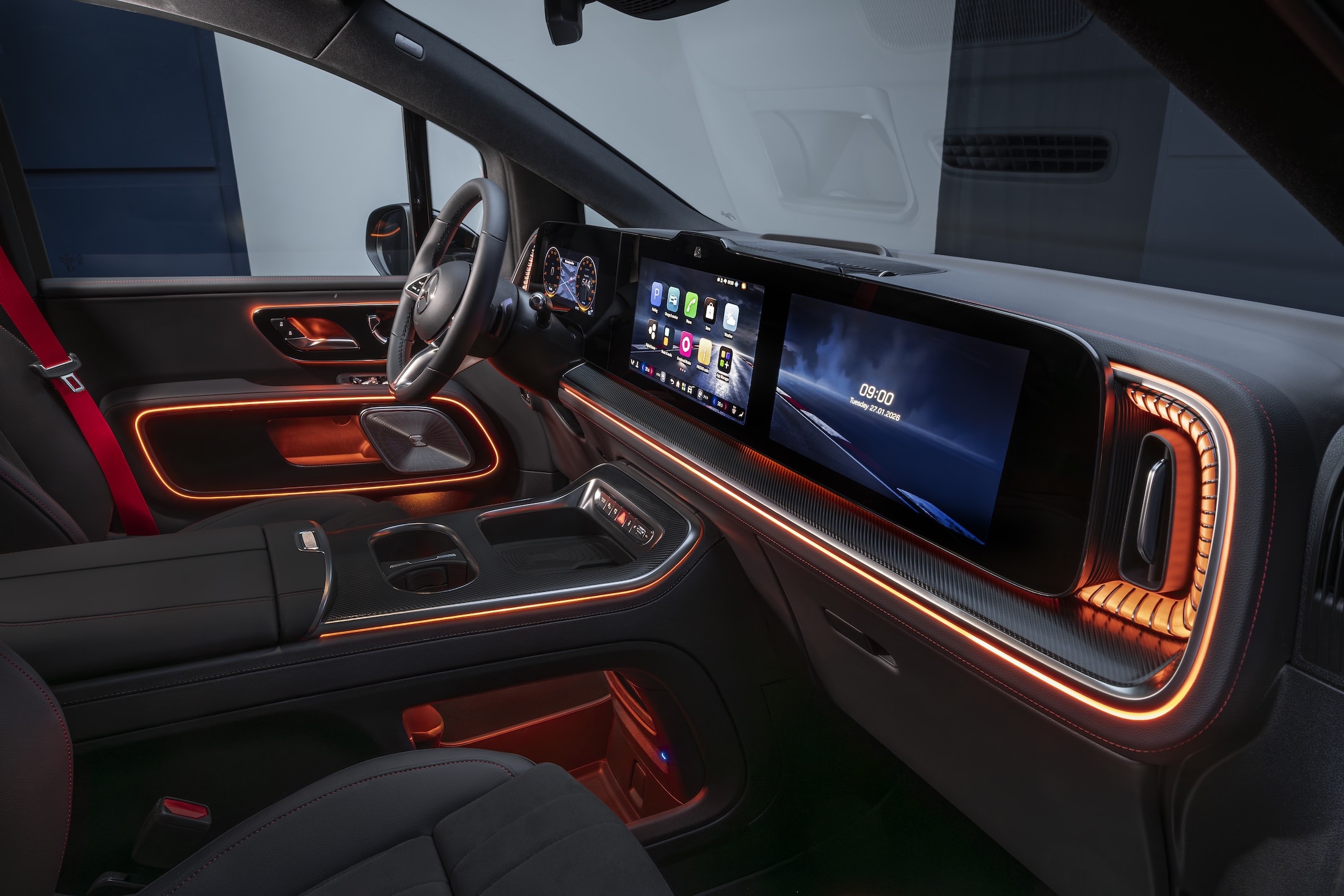
The Premium Comfort Seats are also other high-end features which are electrically adjustable either through onboard controls or the Mercedes-Benz app. The Grand Comfort Setup will also include other high quality features e.g., wireless charging, an additional pillow, massage capabilities, calf and lumbar support, etc.
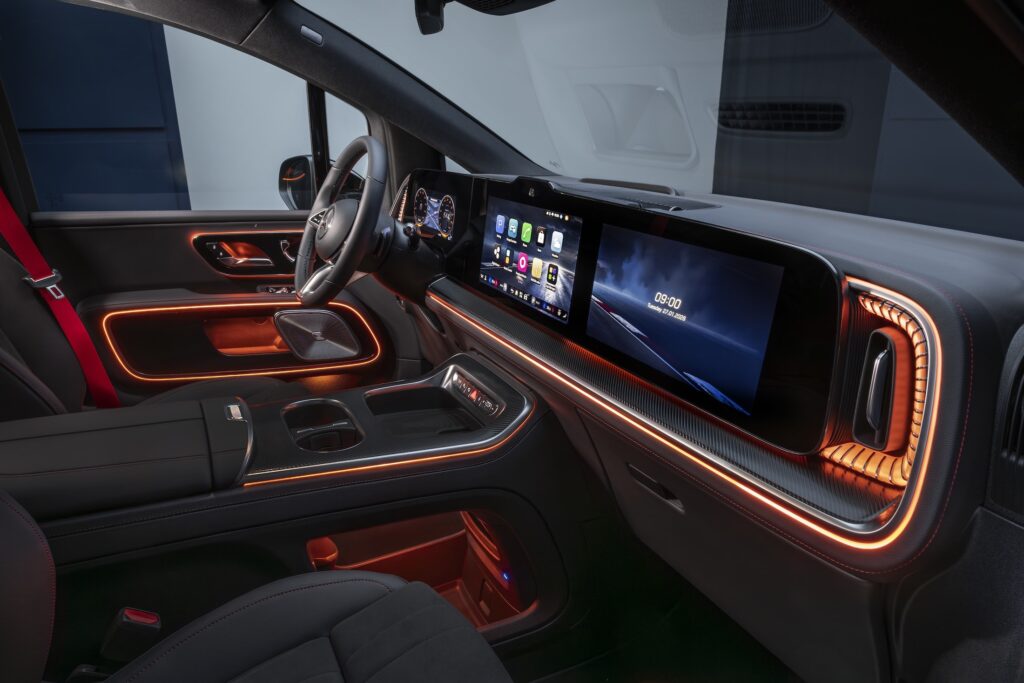
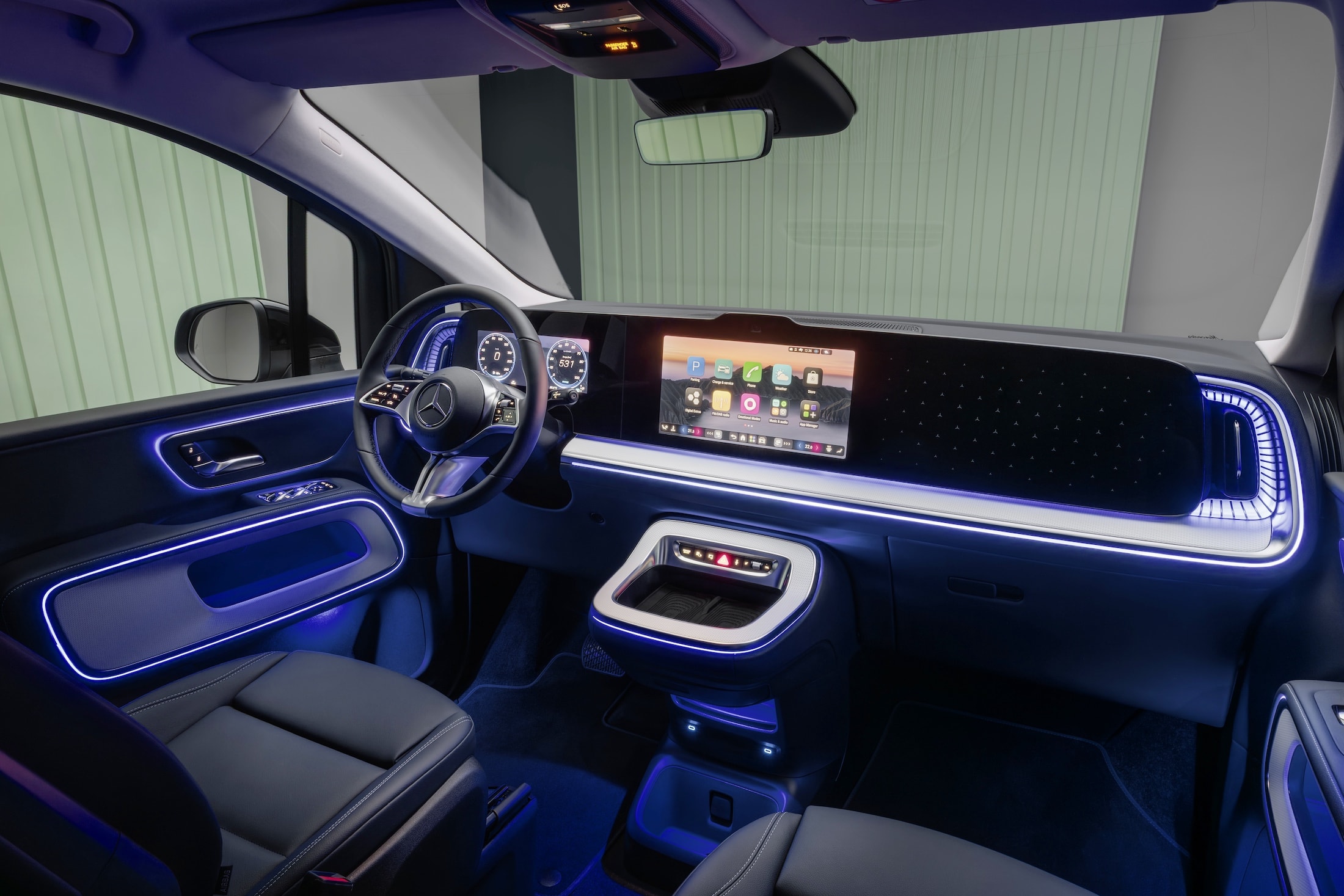
Another important thing that is dominating the rear is the huge size of the panoramic 31.3-inch screen that has an 8K resolution; this screen folds down out of the ceiling and over the first row. It has an 8-MP camera that aids in playing video, games, and conference calls. It is obviously aimed at passengers who can work during their travels, or at least wish to have that possibility.
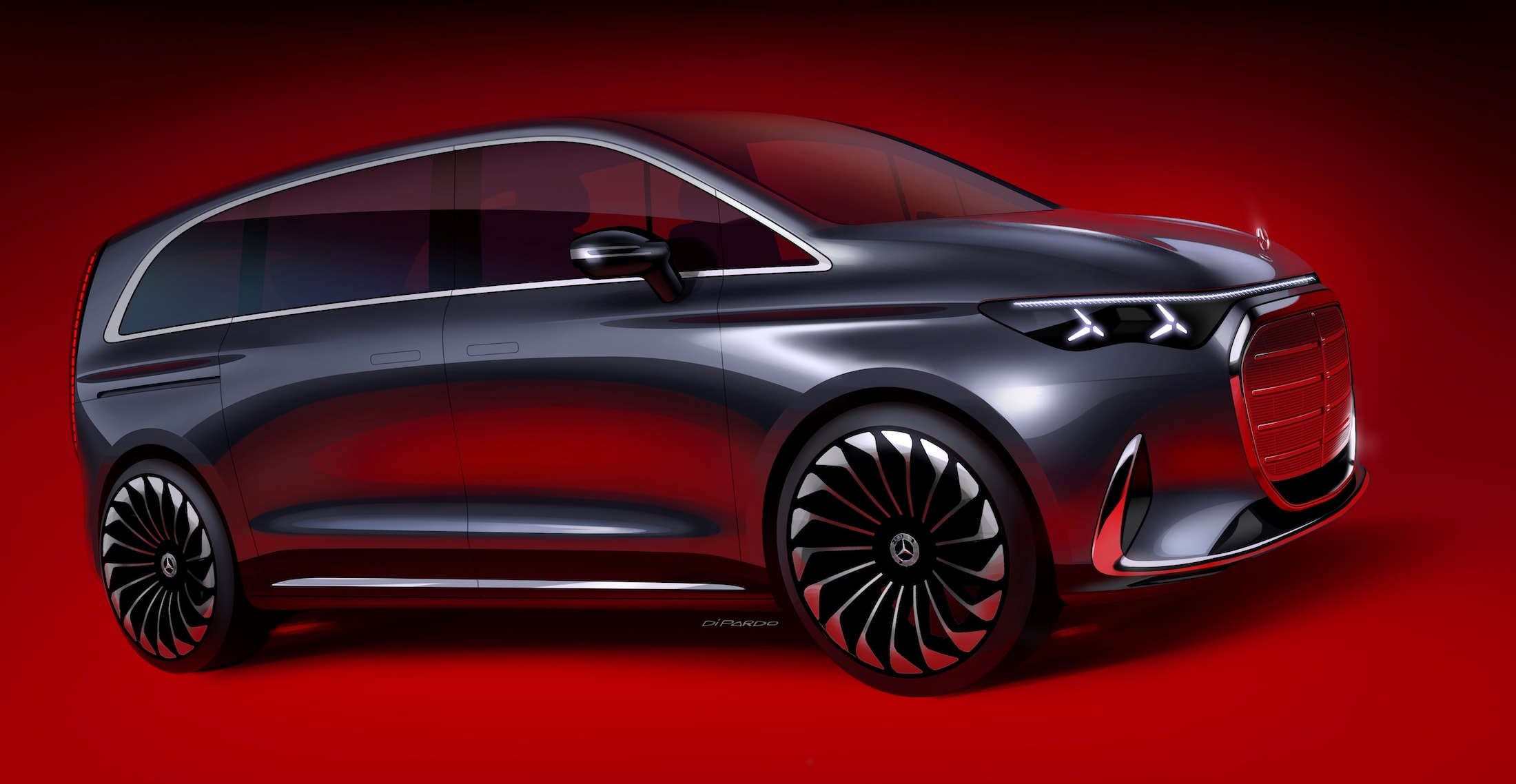
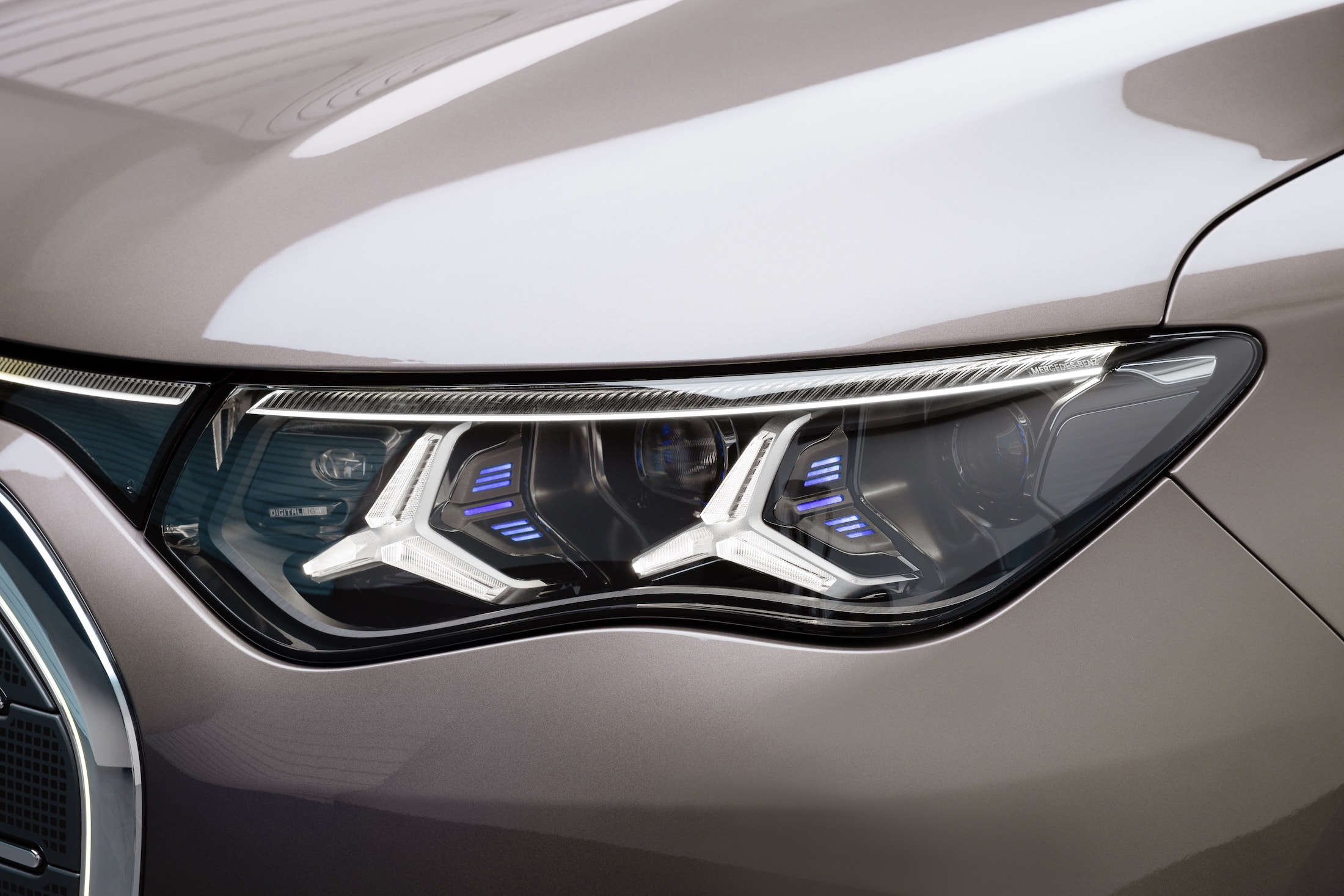
The exterior also pushes in that direction. The front treatment uses an oversized artificial grille, and the visual approach strongly suggests that China is central to the vehicle’s intended reception. Mercedes appears aware that local luxury buyers there increasingly compare global brands with domestic alternatives such as BYD’s Denza D9, Volvo EM90, Zeekr MIX, and Li Auto Mega.
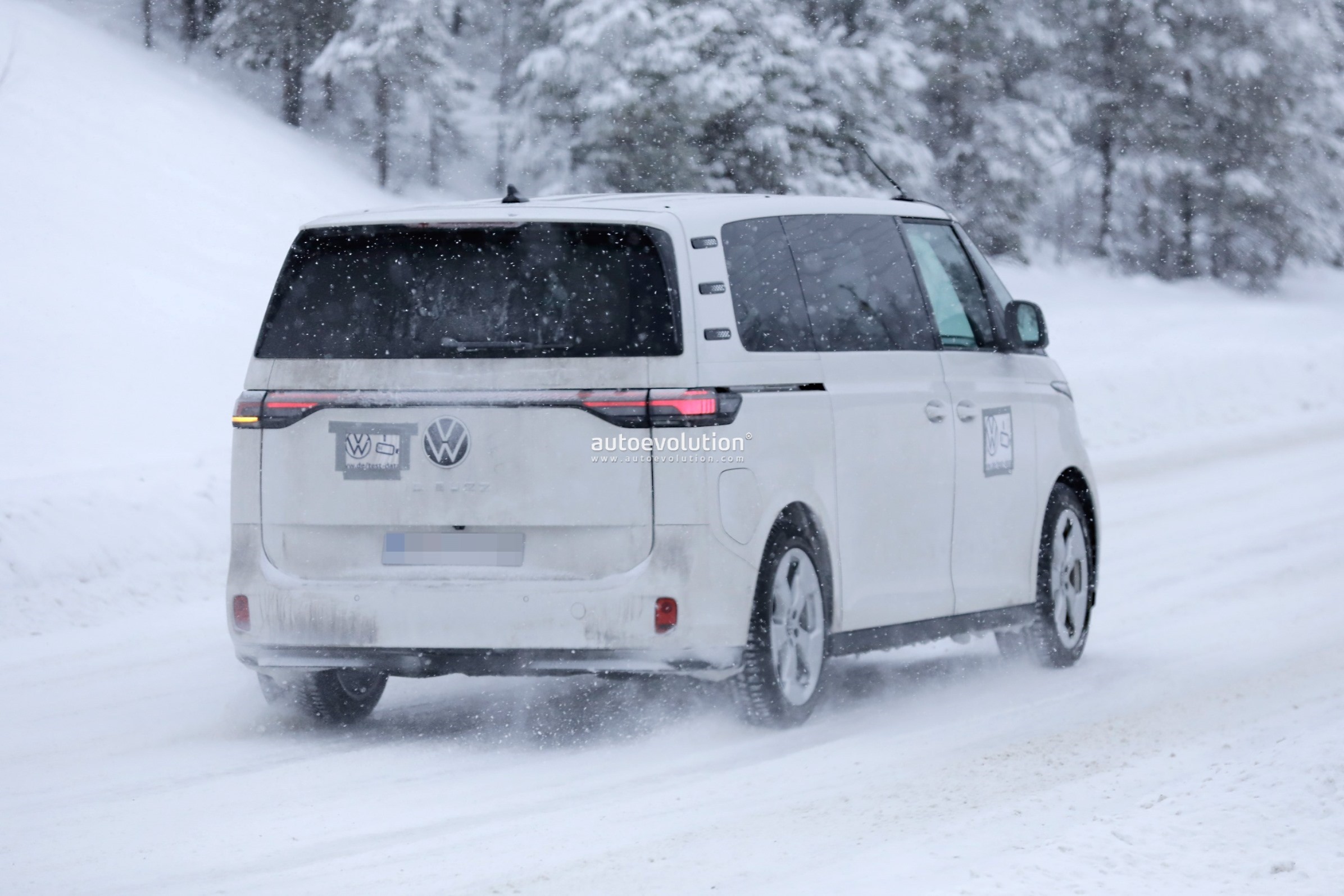
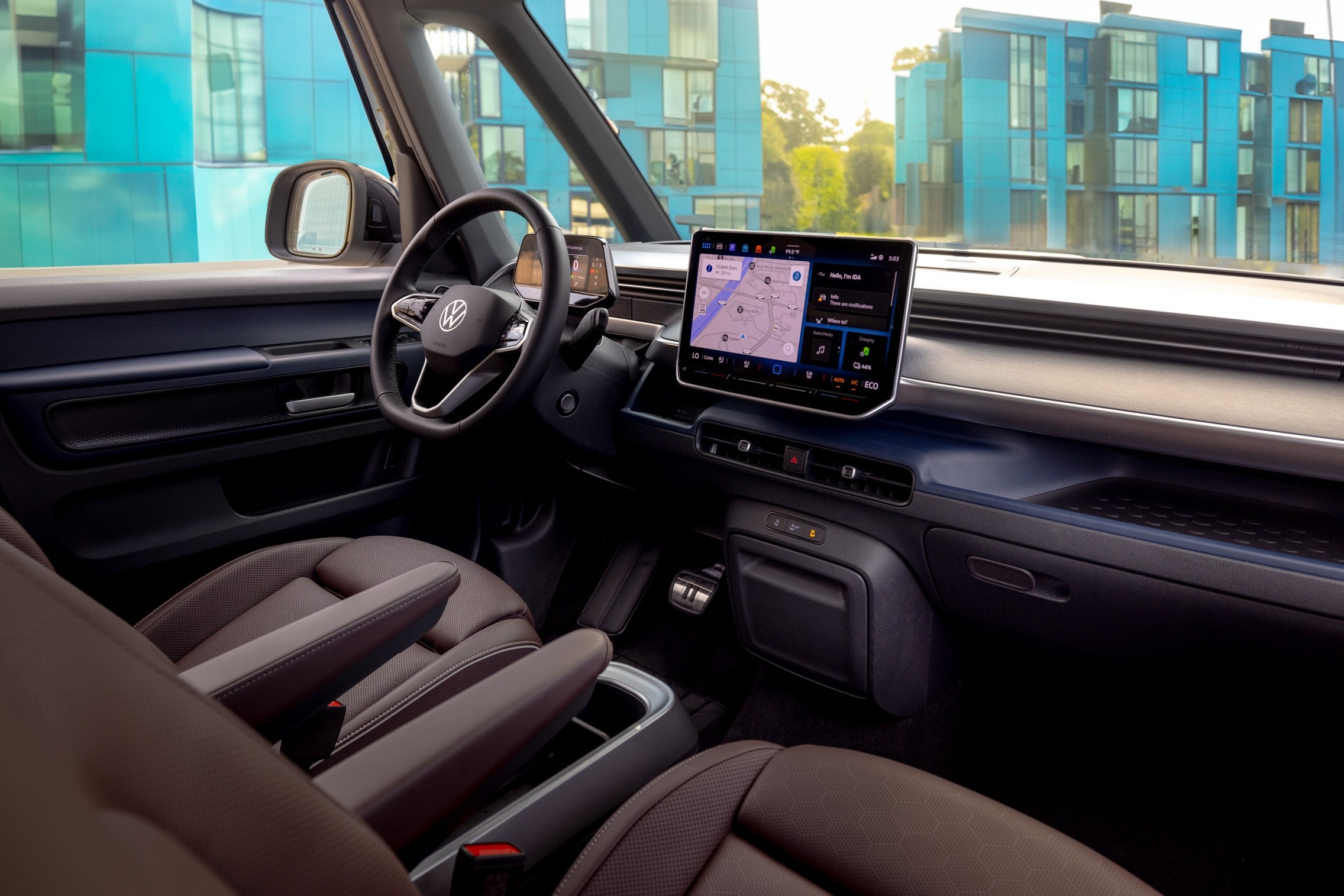
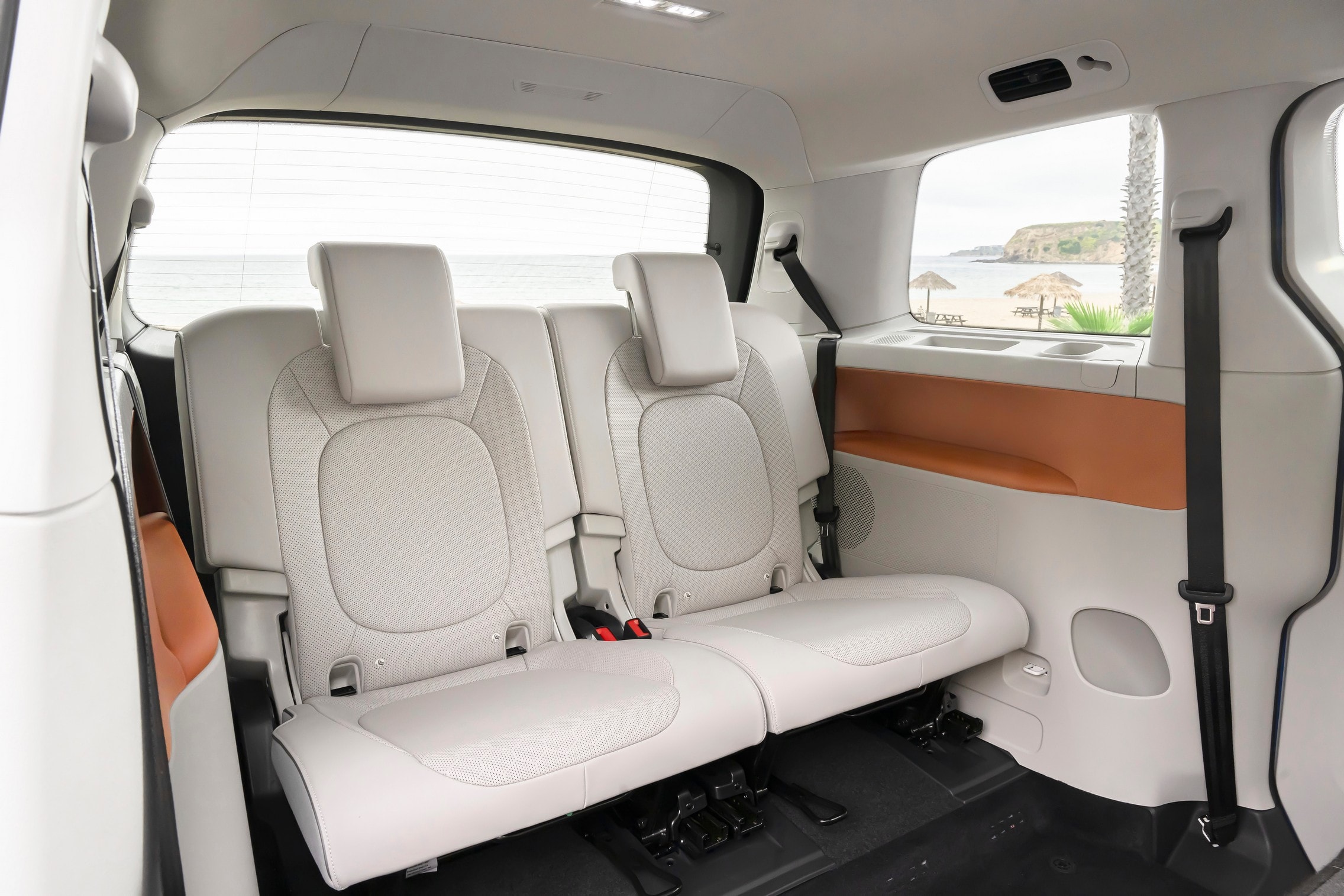
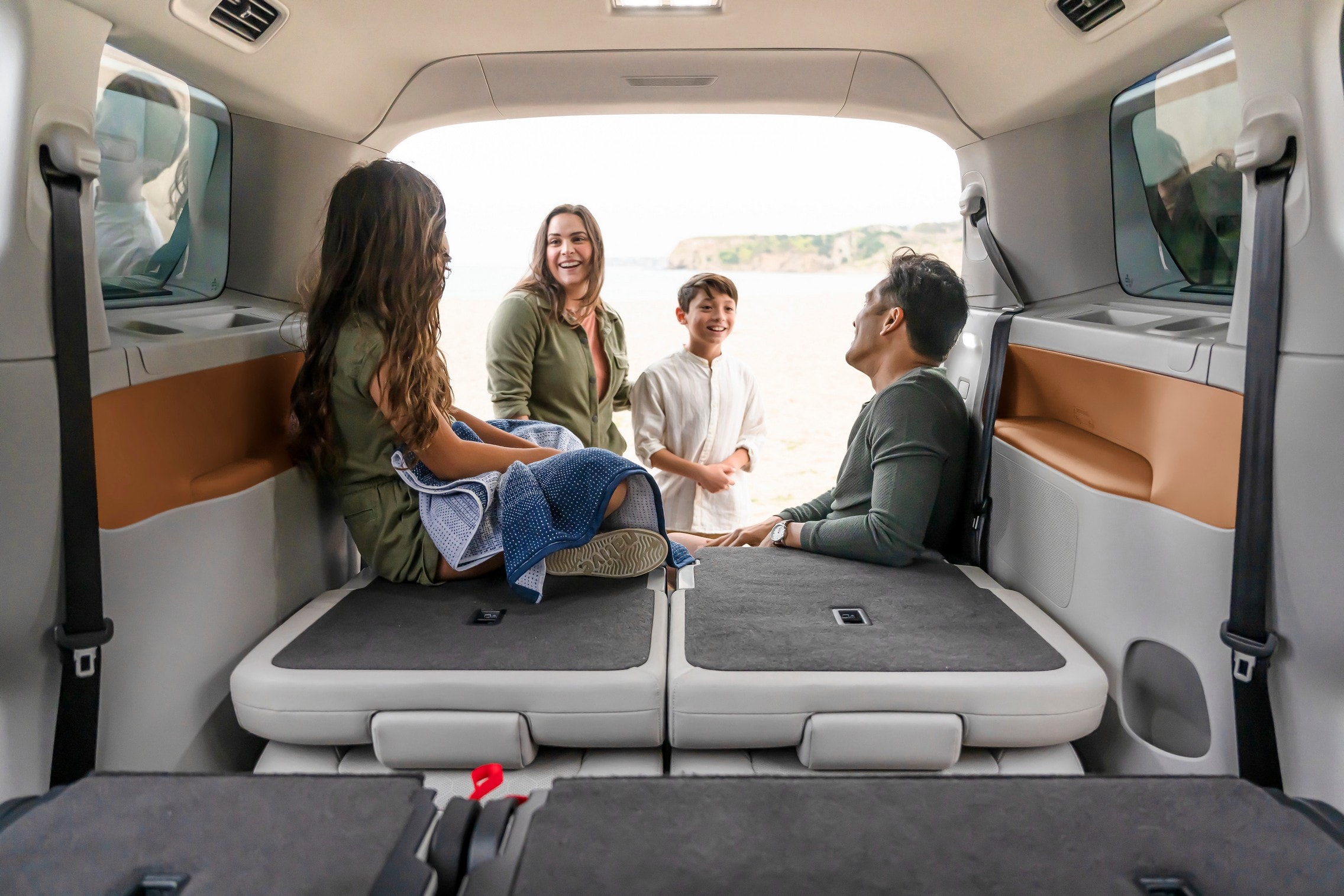
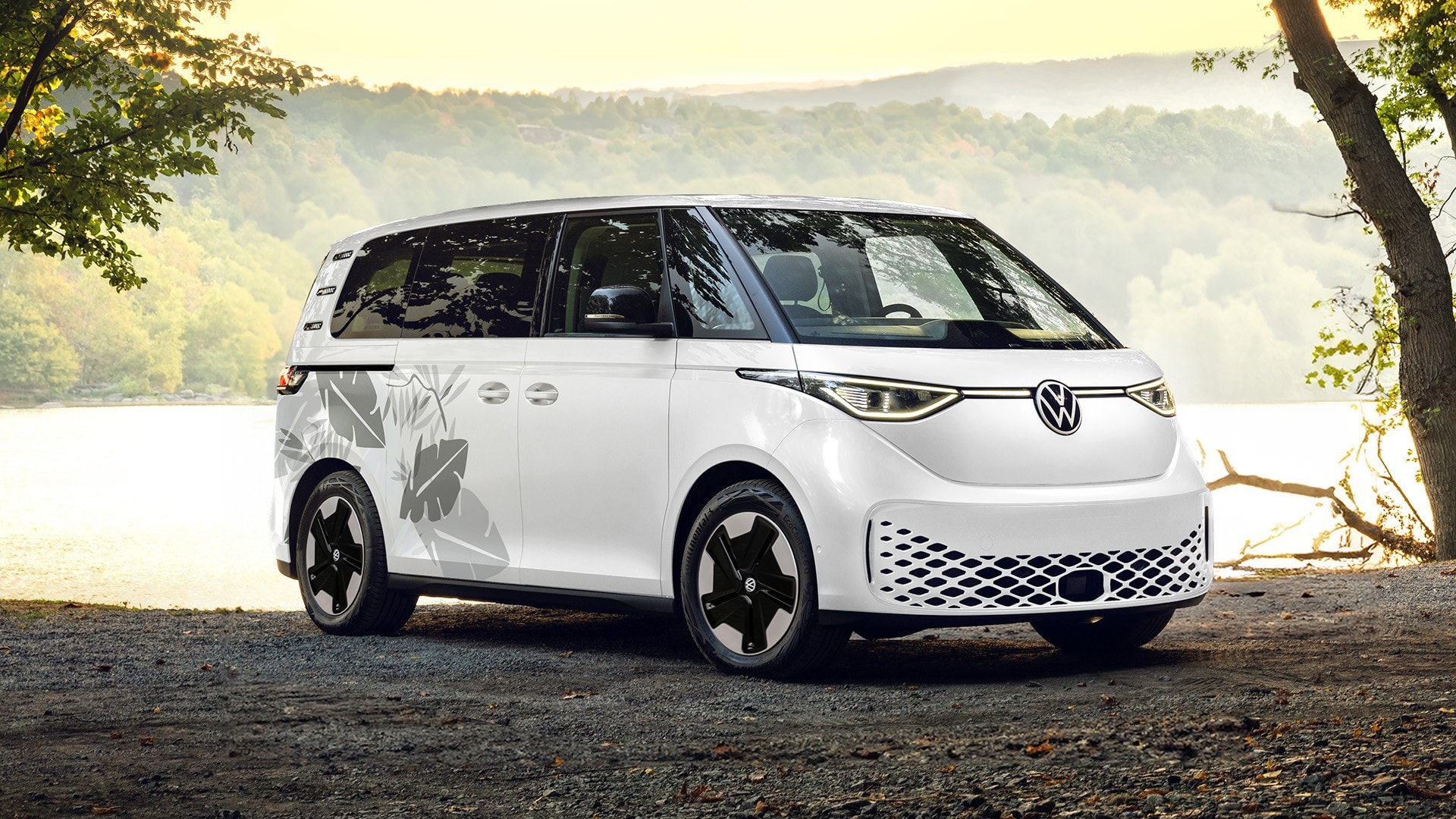
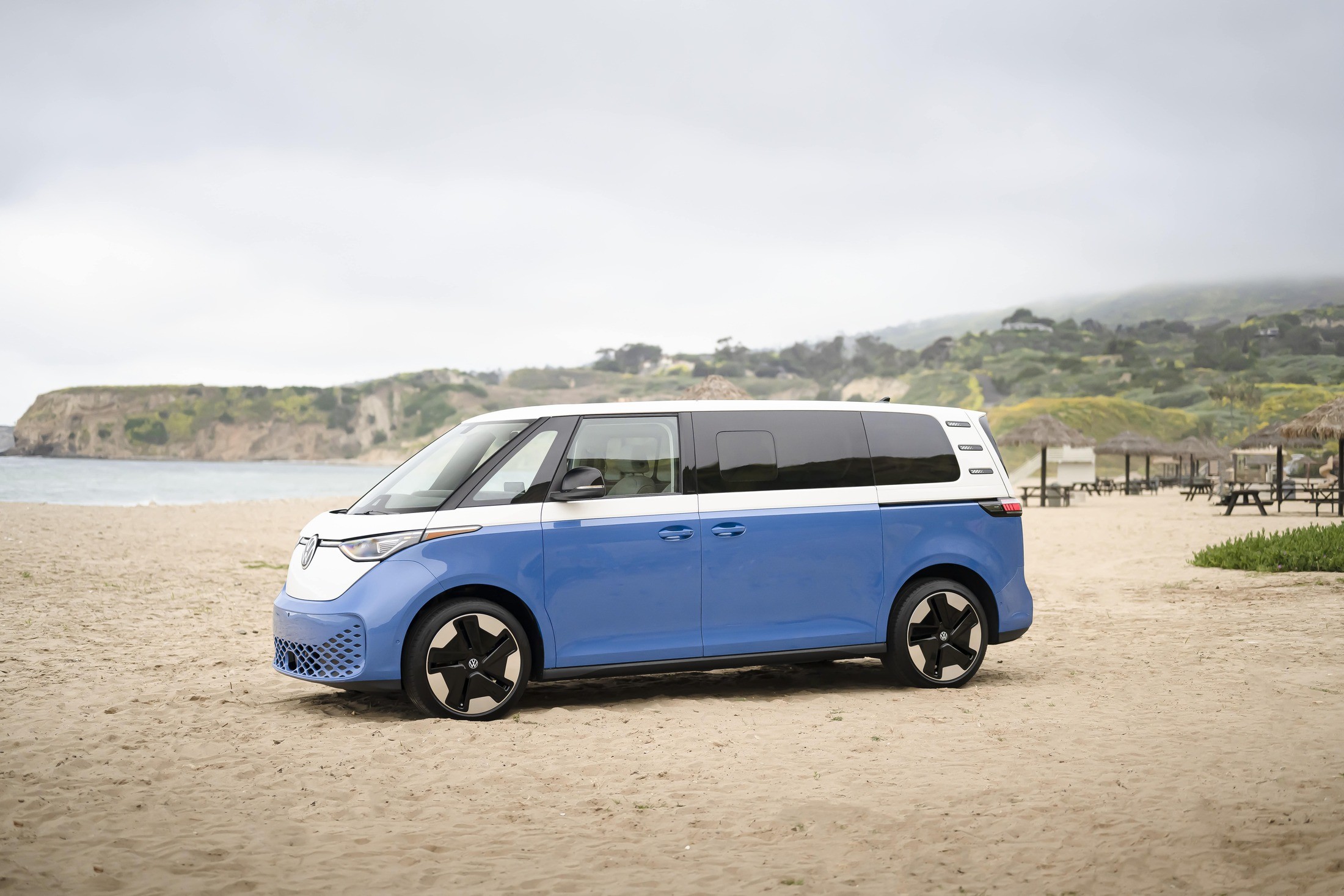
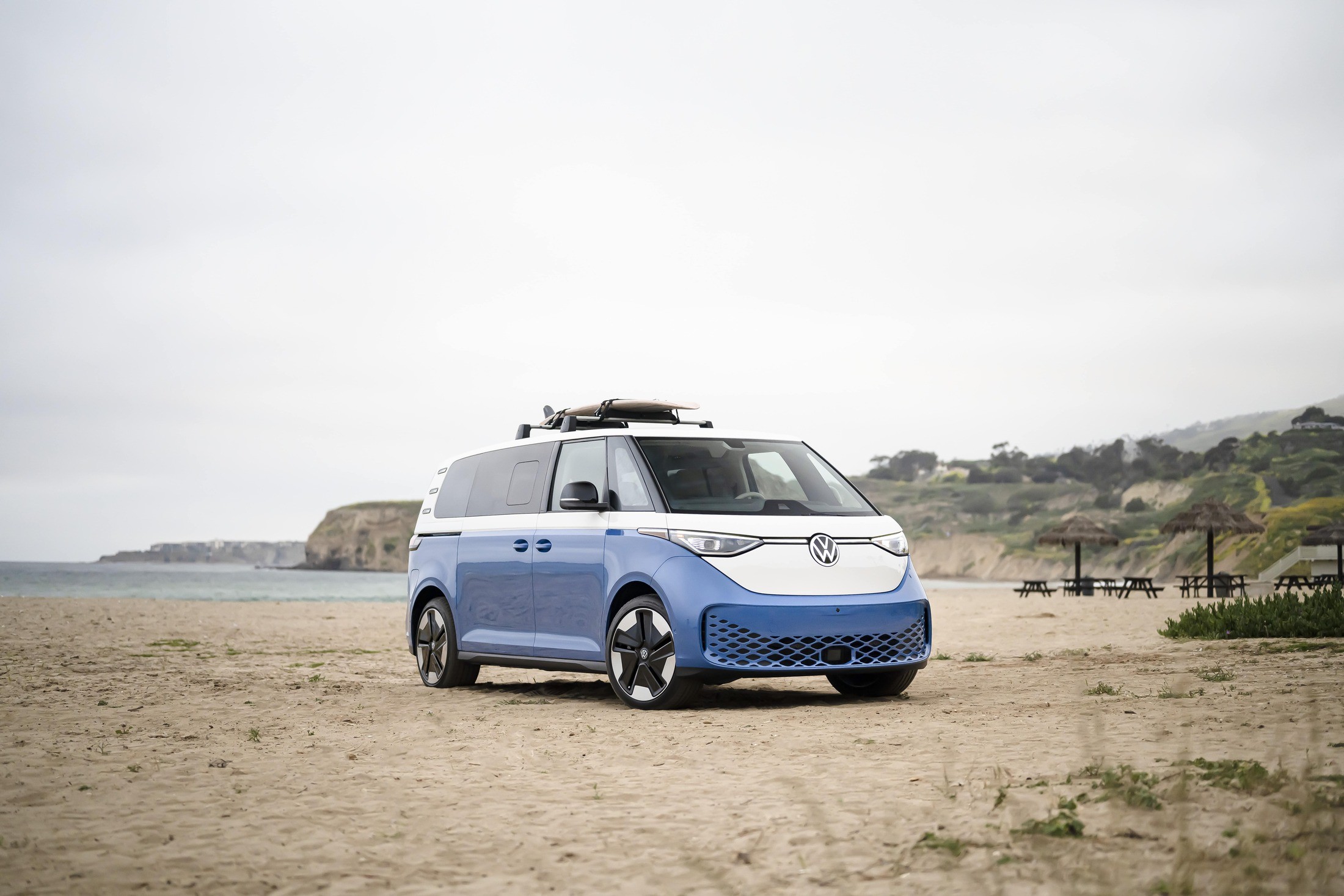
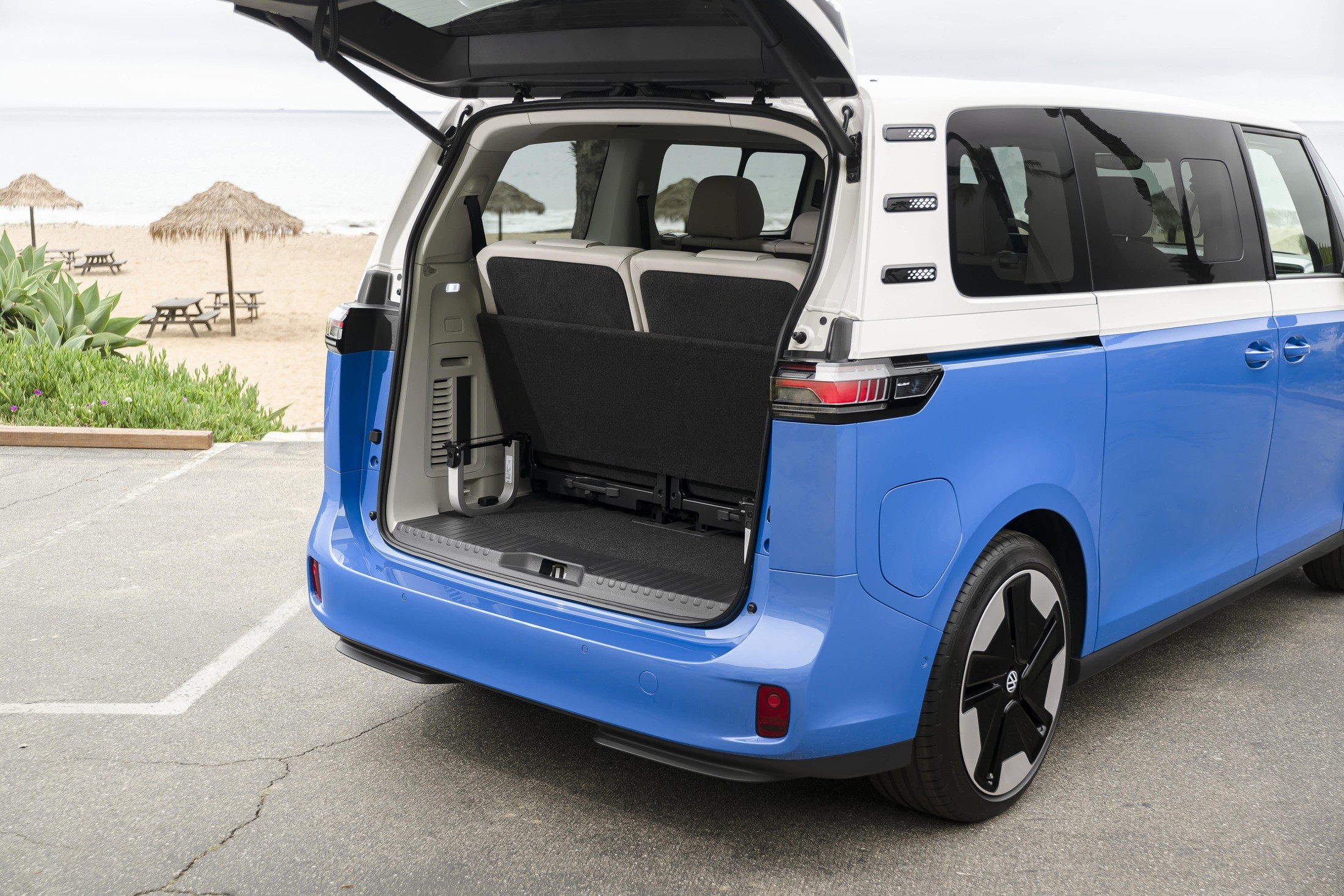
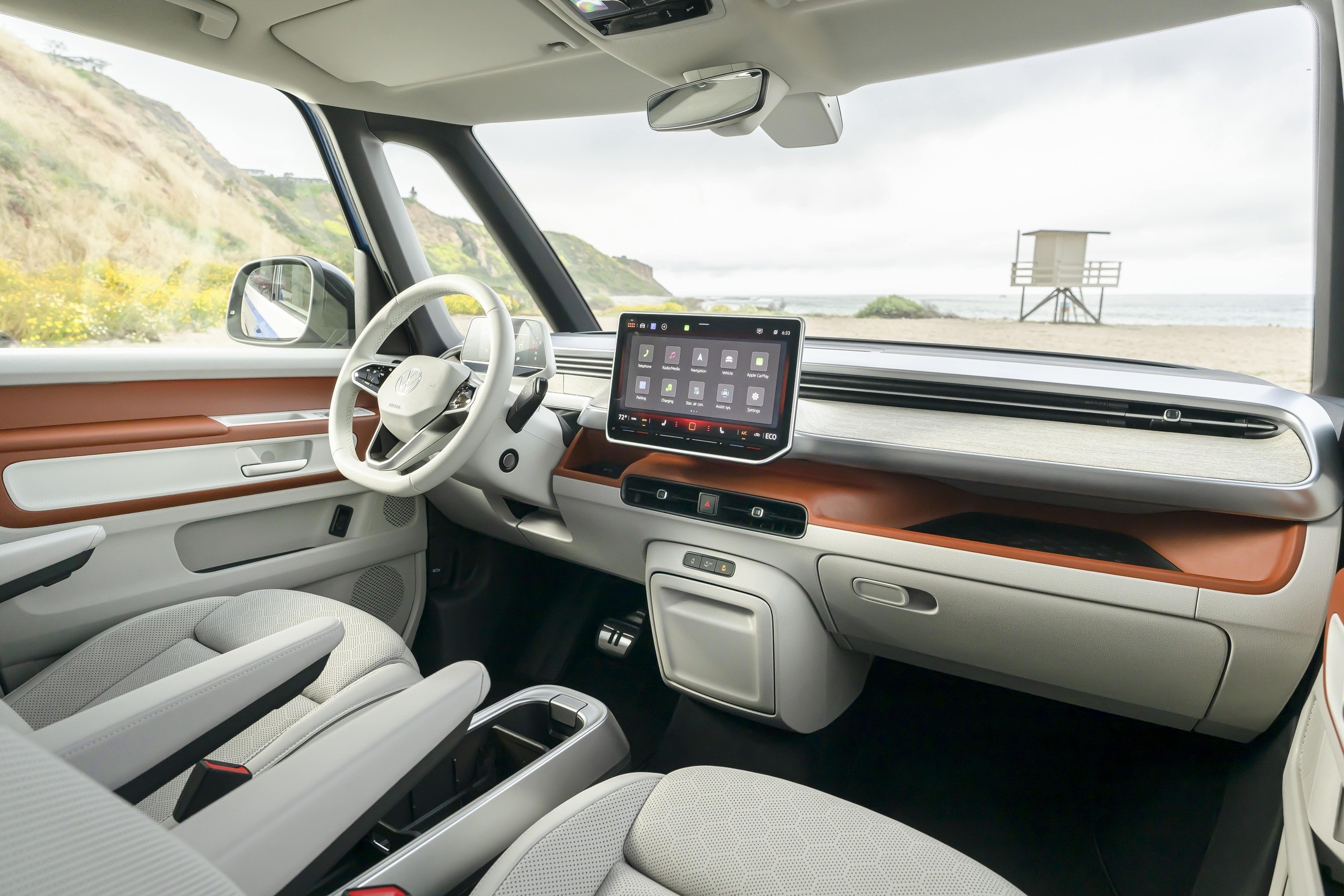
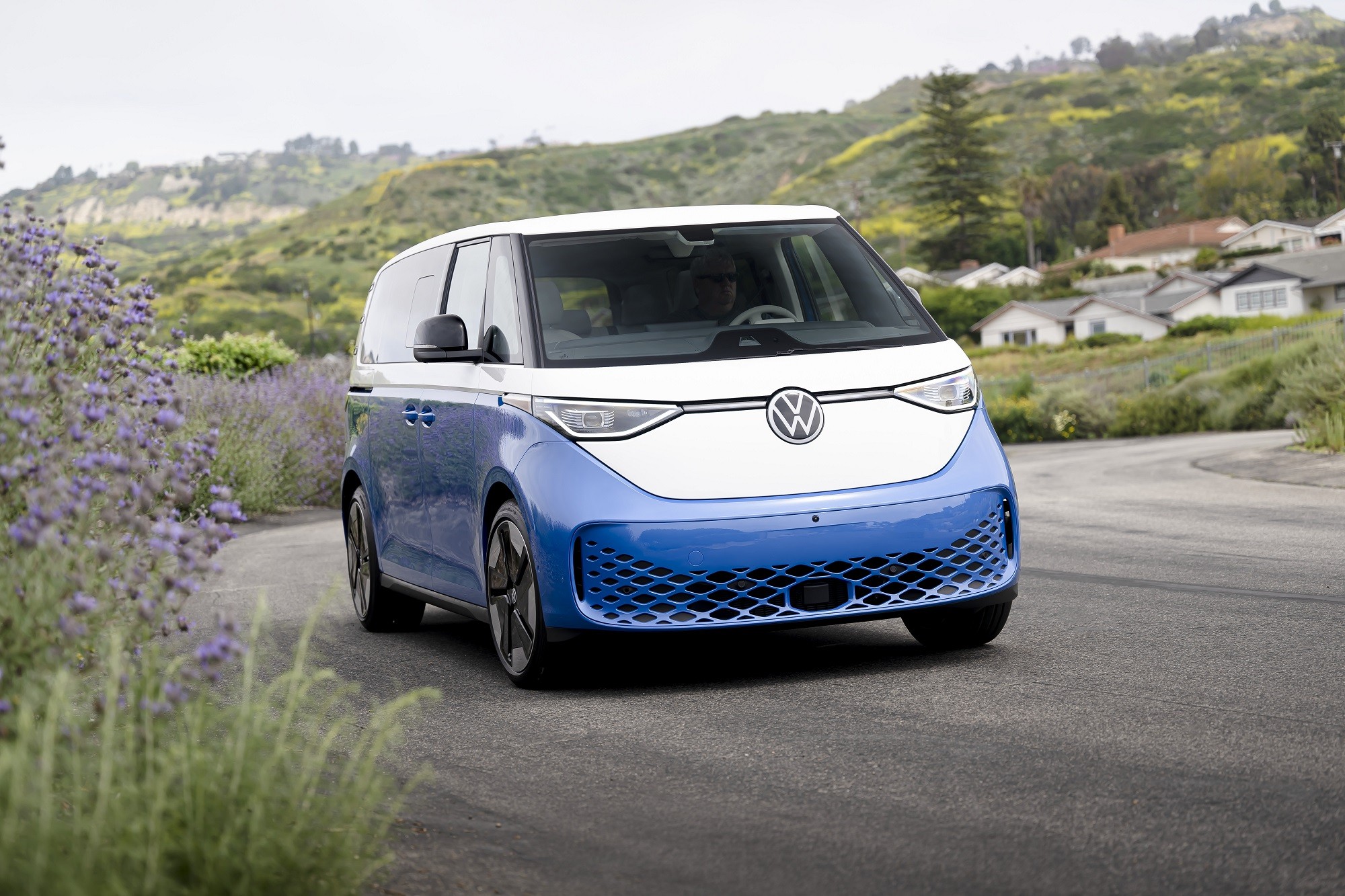
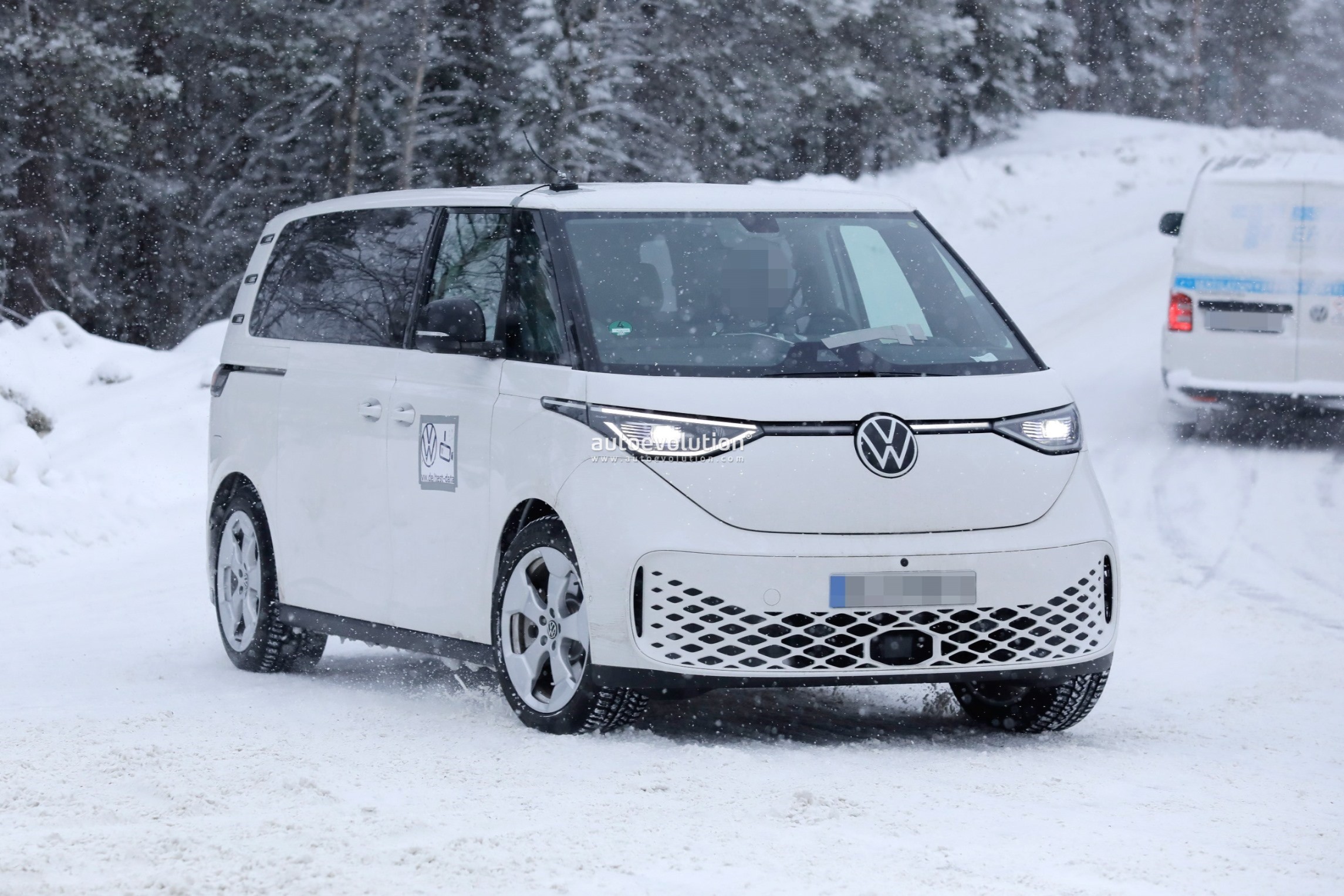
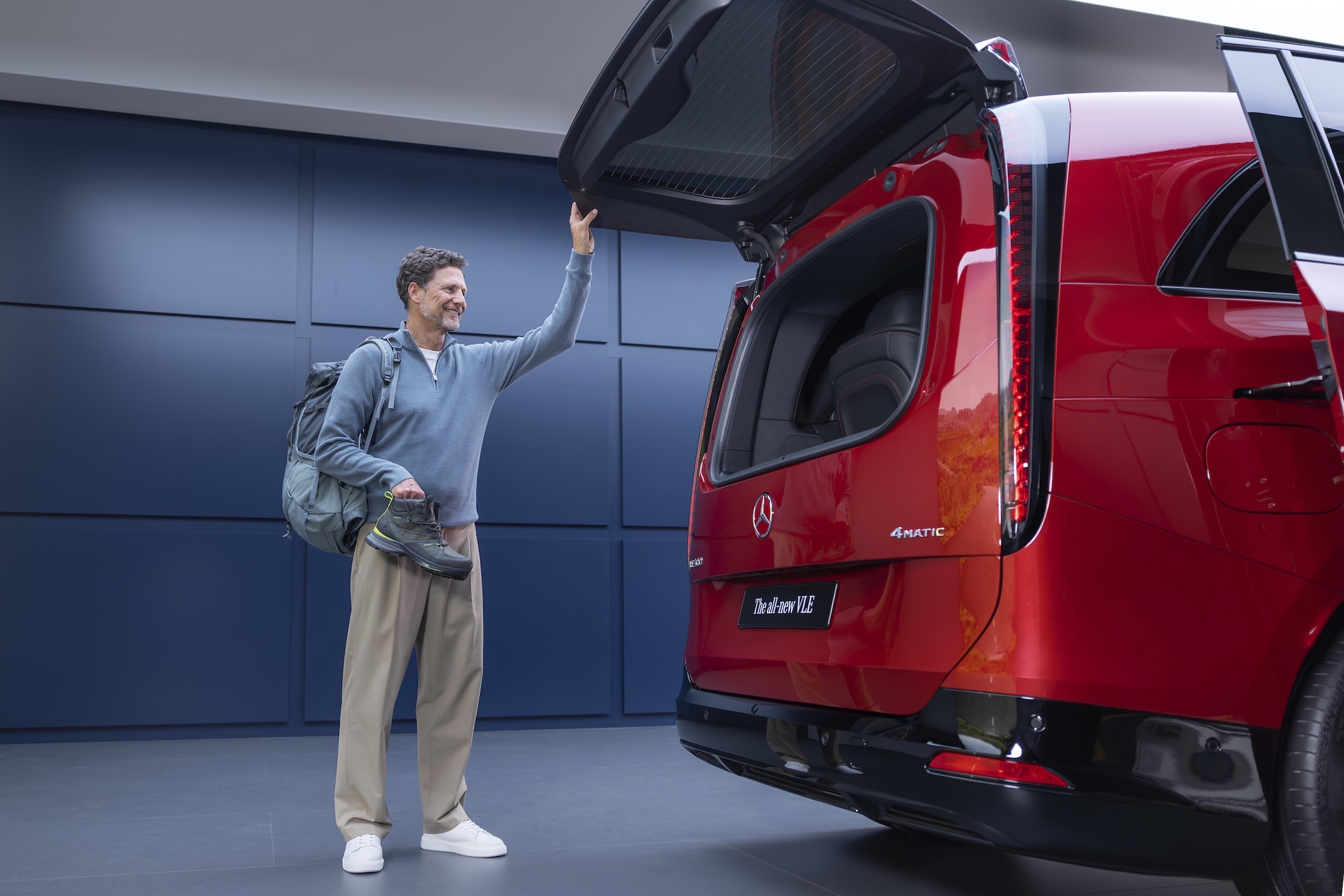
Volkswagen’s ID. Buzz remains far simpler in character. It also offers multiple seating arrangements, and upper trims can include massage seats, but the cabin does not reach the same comfort level. It also lacks the split tailgate found on the VLE.
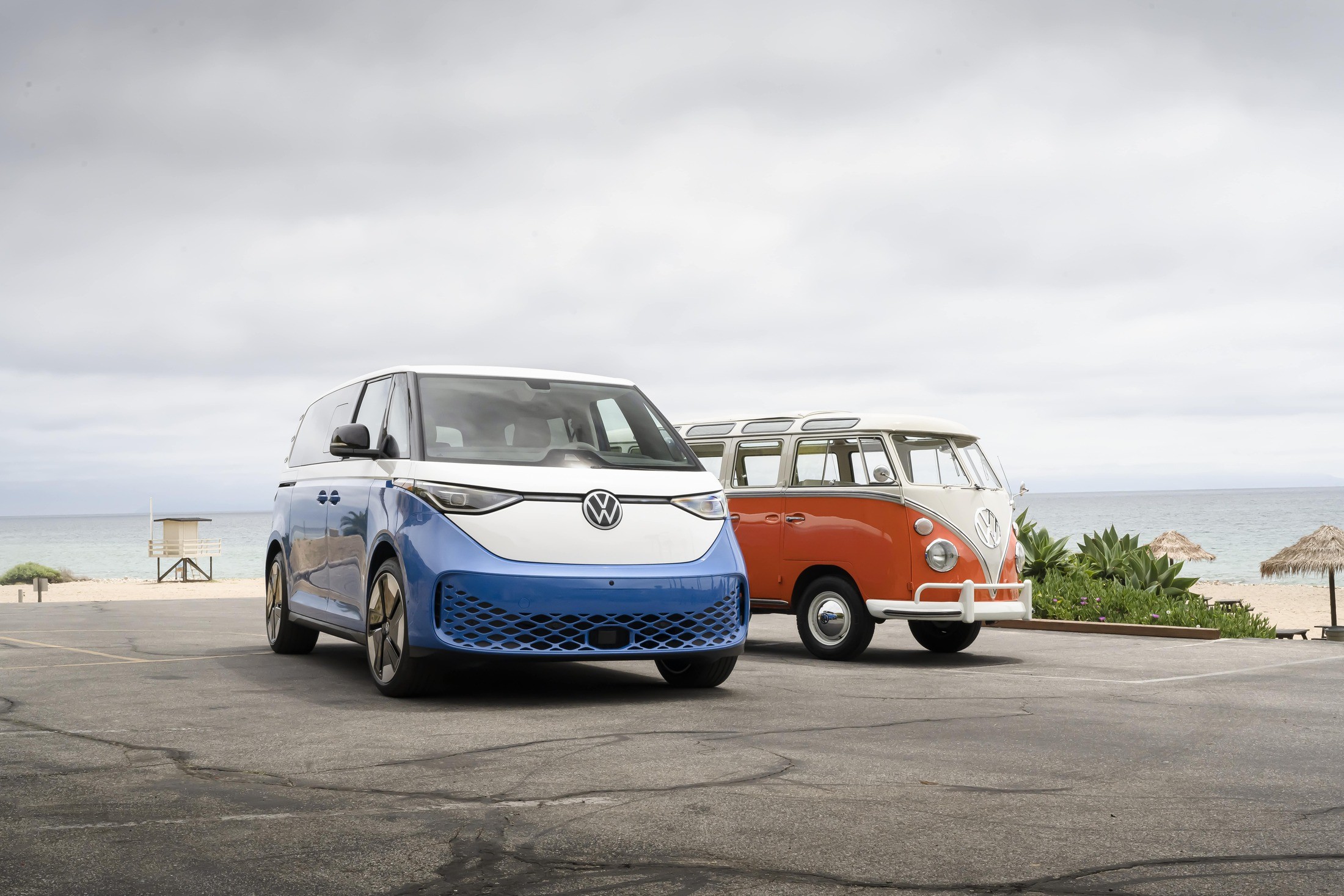
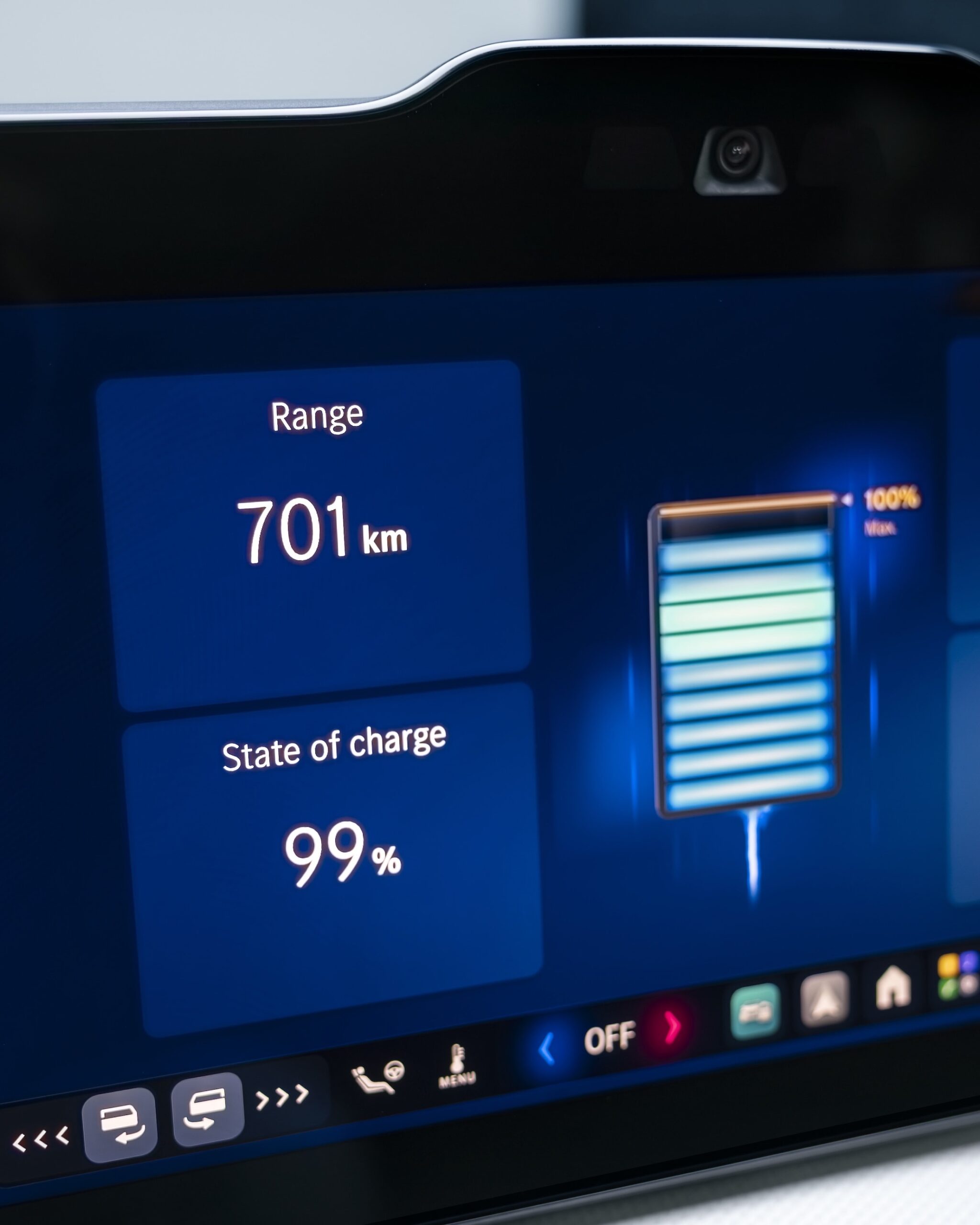
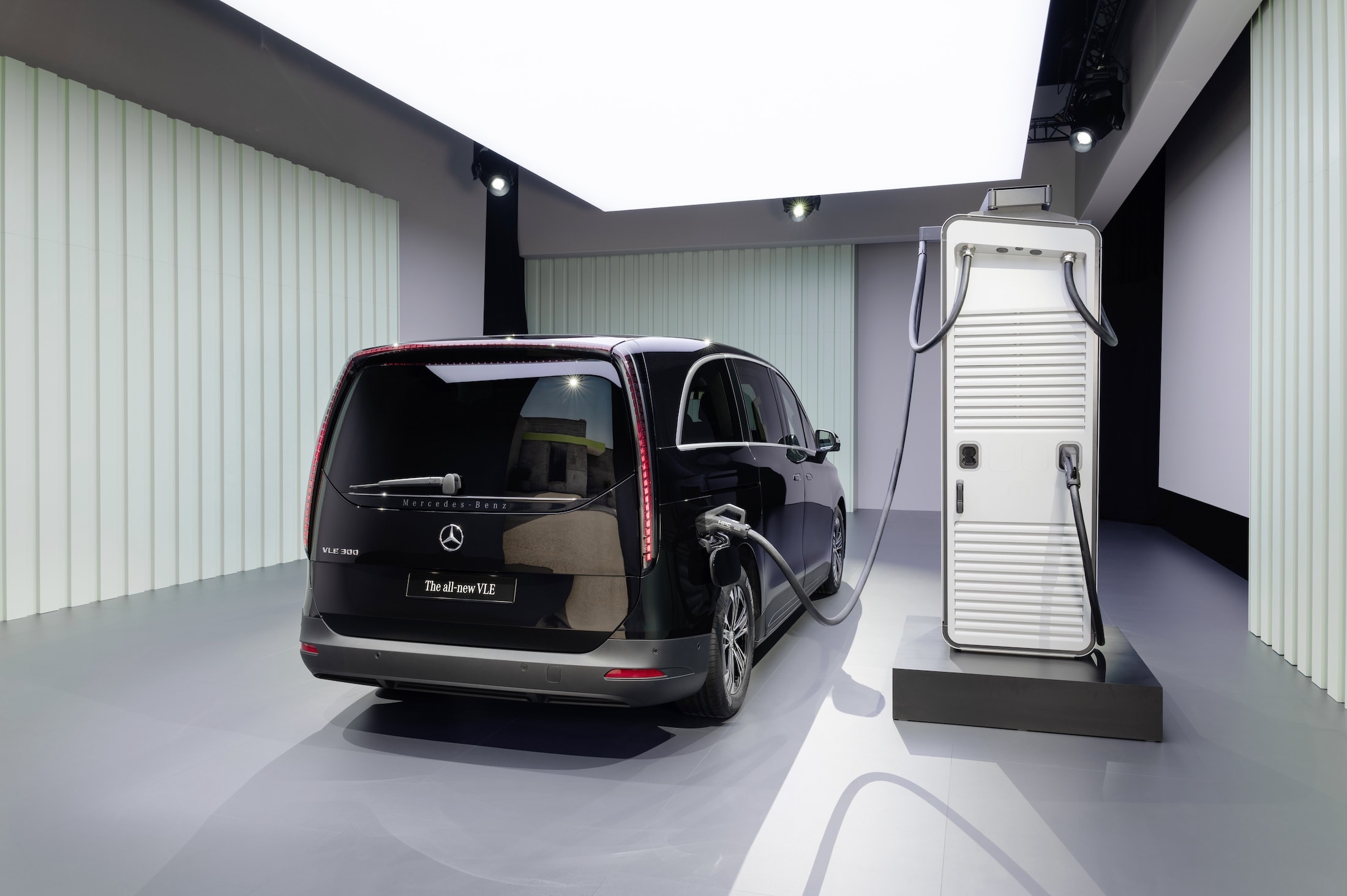
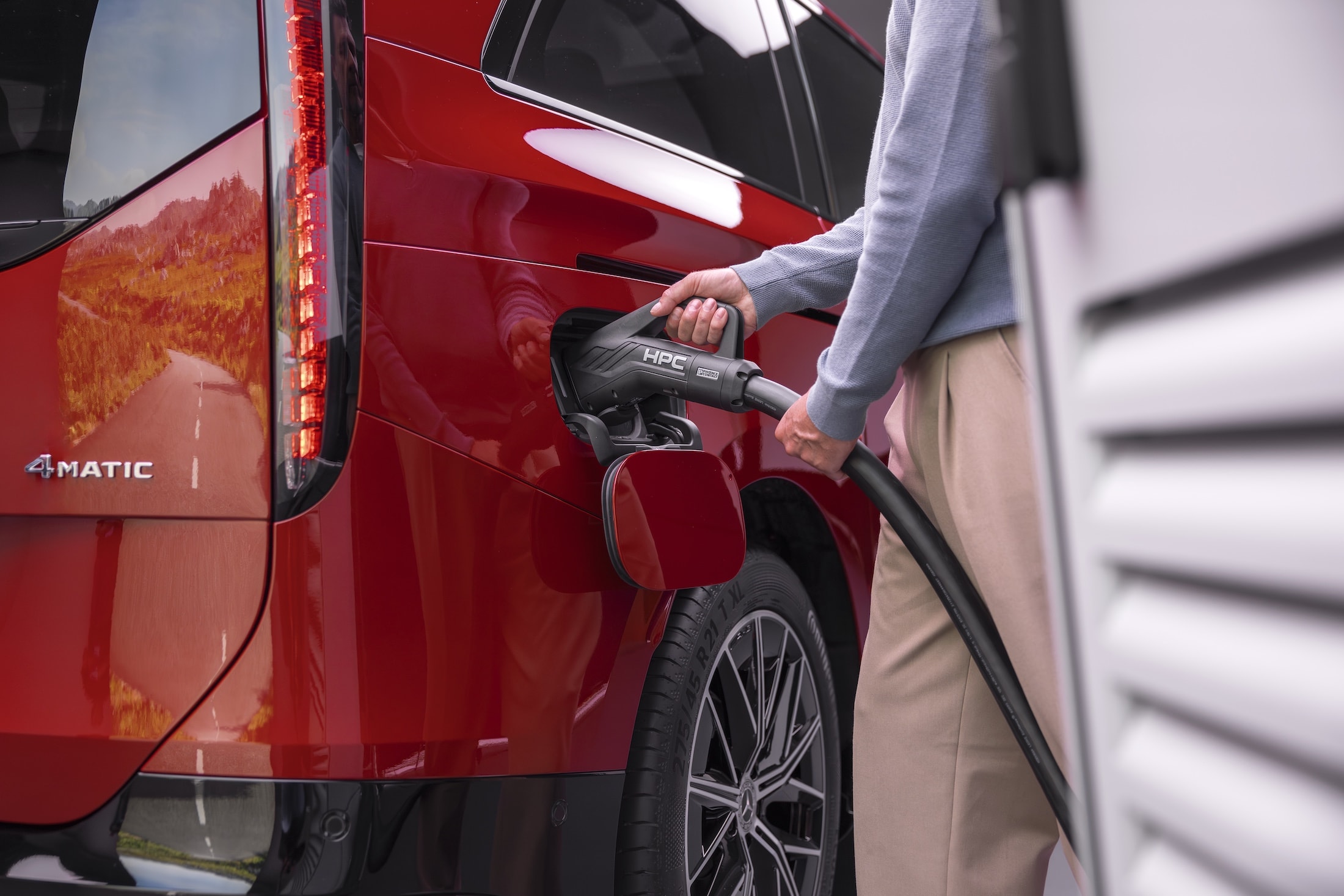
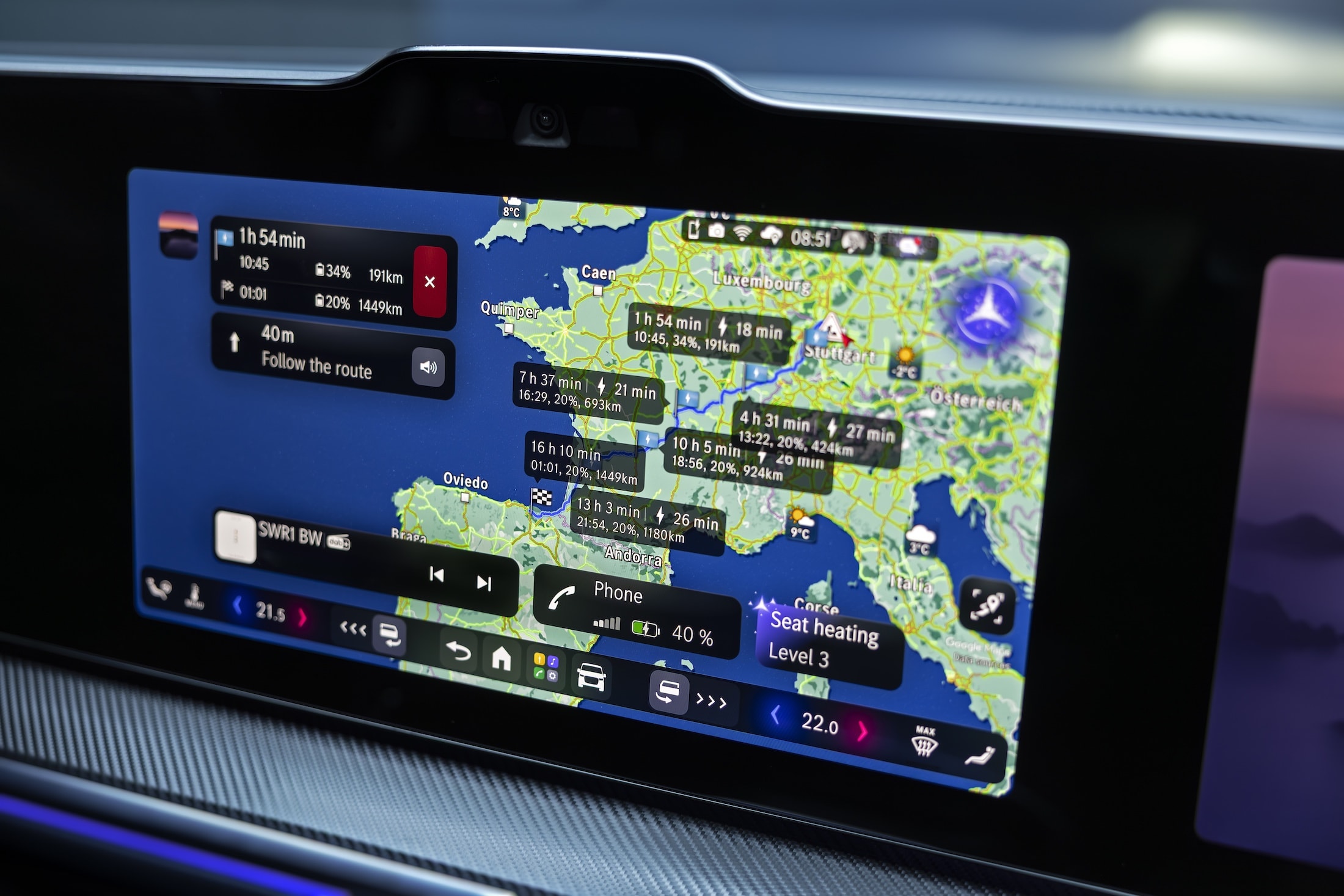
Underneath, the technical gap becomes just as visible. Mercedes uses VAN.EA architecture, 800-volt charging capability, and a 115-kWh battery pack. The VLE 300 is expected to exceed 435 miles (700 km) under WLTP figures. By contrast, the longest-range ID. Buzz uses an 86-kWh battery and reaches up to 293 miles (472 km). In charging terms, Mercedes says 221 miles (355 km) can be added in 15 minutes, while the Volkswagen reaches barely half of that in a comparable stop.
Mercedes-Benz VLE vs. Volkswagen ID. Buzz – Photo Gallery